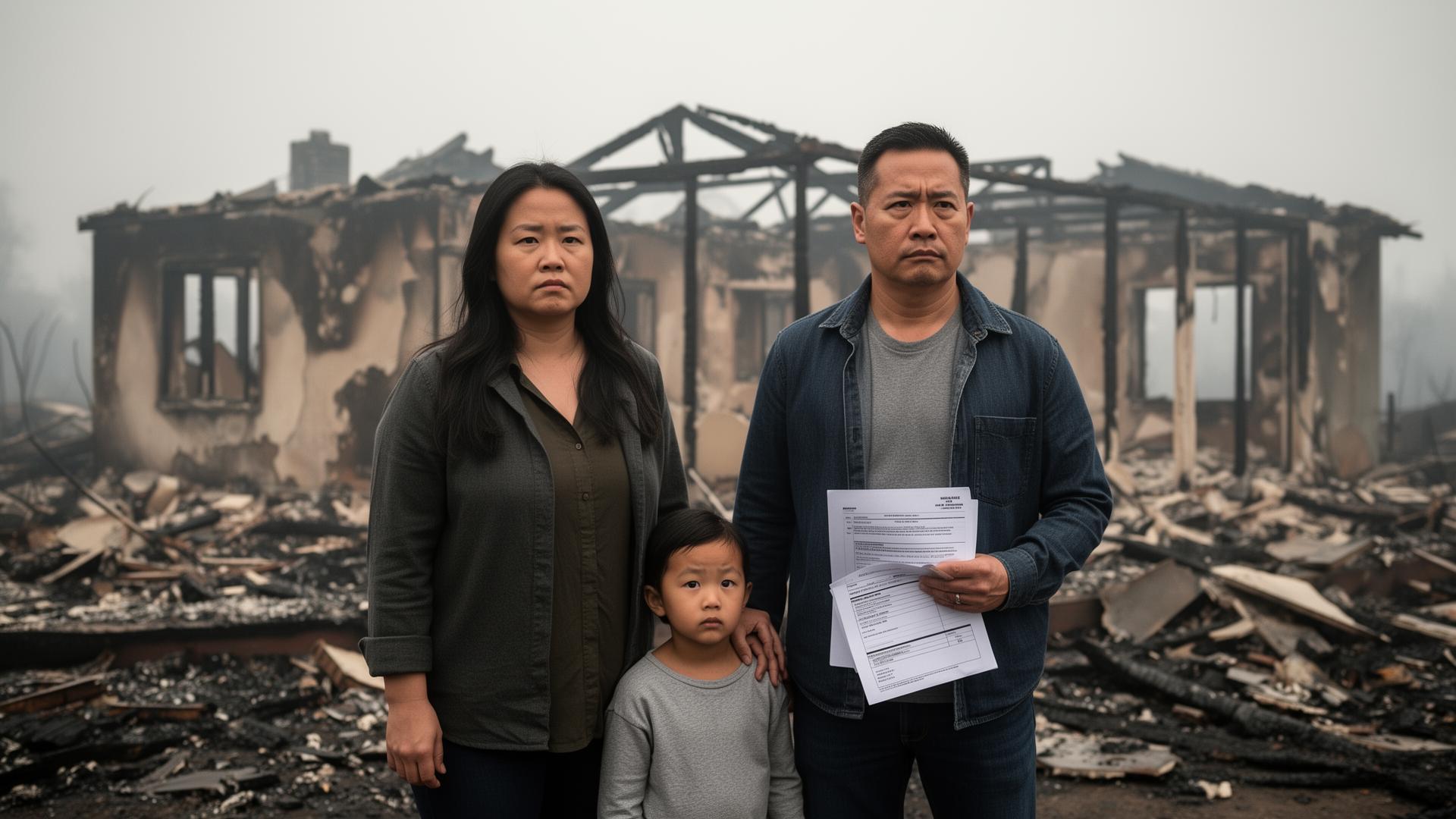
Rebuilding vs. Selling Your Lot After a Wildfire: Making the Right Decision
After a wildfire destroys your home, one of the first and most consequential decisions you'll face is whether to rebuild or sell your vacant lot. There's no universally right answer — it depends on your financial situation, emotional readiness, and long-term plans. Here's a clear-eyed look at both sides.
Side-by-Side Comparison
Rebuilding
- Stay in the community you love
- Build a modern, fire-resistant home
- Insurance proceeds fund the construction
- Property value likely increases post-rebuild
- 12–18 month timeline before move-in
Selling
- Immediate liquidity from lot sale
- No construction stress or decisions
- Freedom to relocate to a new area
- Lot values may be depressed post-fire
- May owe capital gains tax on sale
The Financial Case for Rebuilding
In most cases, rebuilding creates more value than selling a vacant lot. Here's why: your insurance payout is based on the replacement cost of the structure, not the land value. If you sell the lot, you only capture the land value (which may be temporarily depressed), and your insurance payout is typically limited to the ACV or policy limits minus what you'd receive from the lot sale.
When you rebuild, you invest those insurance dollars into a brand-new, code-compliant home on land you already own. In desirable areas like Altadena and Pacific Palisades, properties with new construction consistently sell at a premium over neighboring older homes. You're essentially converting insurance proceeds into equity.
The Emotional Factor
Financial analysis only tells part of the story. For many families, the neighborhood, the school district, the neighbors, and the memories associated with the location are irreplaceable. Others find that the trauma of the fire makes it impossible to return. Neither response is wrong.
If you're unsure, give yourself time. You typically have 24–36 months from the date of loss to use your insurance proceeds for rebuilding. There's no need to rush this decision. Talk to your neighbors, your financial advisor, and your contractor before committing either way.
Questions to Ask Yourself
Do I want to stay in this community long-term?
Can my insurance proceeds fully fund the rebuild, or will I need additional financing?
Am I emotionally ready to go through a 12–18 month construction project?
What are comparable lot values in my area right now vs. rebuilt home values?
Would my family be better served by relocating to a different area?
What Most Homeowners Choose
After the Eaton and Palisades fires, the majority of homeowners we've spoken with have chosen to rebuild. The combination of strong community ties, favorable insurance economics, and the desire to come home outweighs the convenience of selling. But it's a deeply personal decision, and the right choice is the one that works for your family.
Frequently Asked Questions
Is it better to rebuild or sell after a wildfire?
In most cases, rebuilding creates more value than selling a vacant lot. Your insurance payout is based on the replacement cost of the structure, not the land value. When you rebuild, you invest those insurance dollars into a brand-new, code-compliant home on land you already own, essentially converting insurance proceeds into equity.
How long do I have to decide whether to rebuild or sell?
You typically have 24 to 36 months from the date of loss to use your insurance proceeds for rebuilding. There's no need to rush this decision. Talk to your neighbors, your financial advisor, and your contractor before committing either way.
What happens to my insurance payout if I sell my fire-damaged lot?
If you sell the lot, you only capture the land value (which may be temporarily depressed post-fire), and your insurance payout is typically limited to the actual cash value or policy limits minus what you'd receive from the lot sale. Rebuilding allows you to use the full replacement cost benefit.
Will my property value increase if I rebuild after a fire?
In desirable areas like Altadena and Pacific Palisades, properties with new construction consistently sell at a premium over neighboring older homes. A rebuilt home meets current building codes, includes modern fire-resistant materials, and typically appraises higher than the pre-fire value.
What are the tax implications of selling a fire-damaged lot?
Selling a fire-damaged lot may trigger capital gains tax on the sale. Consult with a tax professional to understand the implications for your specific situation, including potential exclusions or deferrals available for involuntary conversions due to disaster.
Exploring Your Options?
We'll provide a no-obligation rebuild estimate so you can compare the financial picture of rebuilding vs. selling with real numbers.
Get a Free Rebuild Estimate