Your Mortgage Lender Holds the Insurance Check: How Rebuild Draws Work in Altadena
Many Altadena homeowners are surprised to learn that the insurance money for their Eaton Fire rebuild does not land in their own account. If you still carry a mortgage, the dwelling proceeds are usually made out to you and your lender together, and the lender releases the funds in stages as the work gets done. Knowing how that process runs changes how you budget and how you hire.
June 10, 2026
When an insured home burns and the owner still has a mortgage, the rebuild money does not arrive the way most people expect. The dwelling portion of an insurance settlement is usually made payable to the homeowner and the mortgage lender together, and the lender holds those funds and releases them in stages as the work is completed. For Altadena homeowners rebuilding after the Eaton Fire, this catches a lot of people off guard, because it means a contractor cannot simply be paid out of a checking account on the owner's schedule.
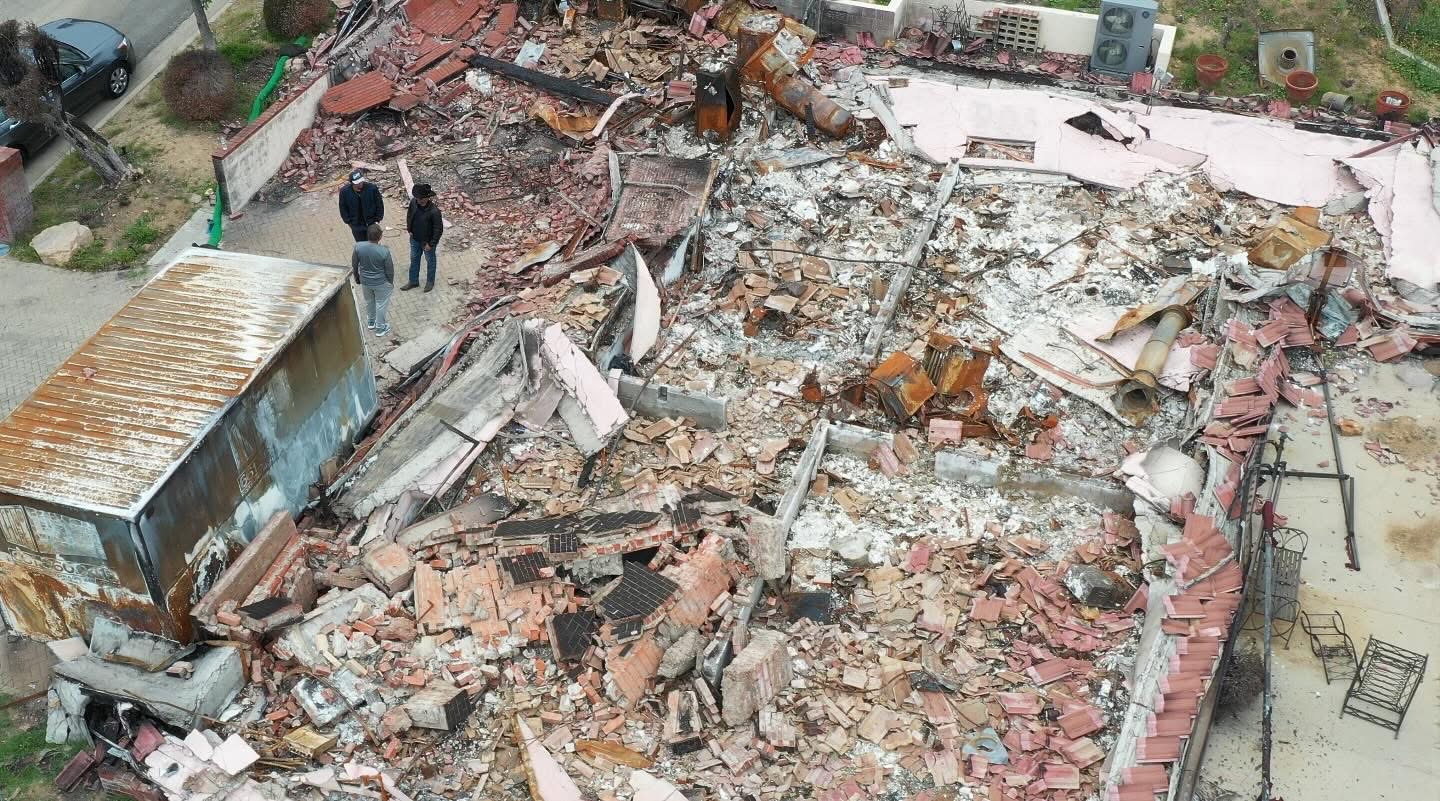
None of this is the lender being difficult for its own sake. The house was the collateral on the loan, and when it burned, that collateral disappeared while the debt did not. The lender has a direct financial interest in seeing the home rebuilt, so it controls the insurance proceeds to make sure the money actually goes back into the structure. Understanding how that control works, and what you can ask for, keeps it from stalling your Altadena rebuild.
Why the Check Has Your Lender's Name on It
Almost every mortgage includes a clause naming the lender as a loss payee on the borrower's insurance. When a covered loss occurs, the insurer issues the dwelling proceeds jointly, which is why the check or wire arrives with both your name and the lender's on it. You cannot deposit or spend those funds alone: the lender has to endorse them or move them into an account it controls. The servicing rules that large lenders follow, including the guidelines published by Fannie Mae and Freddie Mac for the loans they back, lay out how a servicer is expected to handle and release insurance loss proceeds. This is standard practice, not a sign that anything is wrong with your claim.
How the Draw Schedule Actually Works
Once the lender has the proceeds, its loss-draft department (some servicers call it the loss draft or claims department) sets up a disbursement schedule. A common arrangement releases roughly a third of the held funds at the start so work can begin, another portion once an inspection confirms the rebuild is around halfway done, and the balance when a final inspection shows the home is complete. The lender usually sends an inspector, or hires a third party, to verify progress before each release, and it typically holds back a final amount until the project passes that last check. The exact percentages and milestones vary by servicer, so the schedule your lender uses may not match your neighbor's.
The Cash-Flow Gap Most Homeowners Miss
The part that surprises people is the timing. Draws are released after a stage of work is finished and inspected, not before, so somebody has to pay for that stage while the lender's money is still sitting in the account. On a fire rebuild, that gap can be tens of thousands of dollars at a time. In practice it means either you carry working capital to bridge each phase, or you hire a contractor who can float the cost of a stage and get reimbursed once the draw clears. It also puts inspections on the critical path: if an inspection is slow to schedule, the next draw is slow, and the job can pause for reasons that have nothing to do with the crew.
Keeping Your Loan in Good Standing
A servicer's willingness to release proceeds is tied to the status of the loan. If a loan falls into default or foreclosure, the lender can hold the funds until that status is resolved, which is the last thing a homeowner trying to rebuild needs. This is where the relief programs matter. After the 2025 fires, the state brokered forbearance agreements with many lenders, letting survivors pause payments for a period while they got their footing. The state's CalAssist Mortgage Fund goes further: as of its February 2026 expansion, eligible homeowners can receive up to twelve months of mortgage payments, up to a total of $100,000, paid directly to the servicer and never repaid. Income limits apply and were raised in that expansion, reaching about $281,400 for a household in Los Angeles County. Staying current, whether on your own or through one of these programs, keeps the proceeds flowing.
What You Can Ask For, and Push Back On
Homeowners have more leverage here than they assume. Because the mortgage itself requires you to restore the property, consumer advocates such as United Policyholders point out that a lender generally cannot sit on all of the money until the very end, since that would make rebuilding impossible. You can request the full draw and inspection schedule in writing at the start, ask for releases tied to clear milestones, and provide lien releases from your contractor to speed each disbursement. If a servicer is holding back far more than the remaining work would justify, or is slow to inspect, that is worth documenting and escalating rather than quietly absorbing the delay.
Setting Up Your Rebuild So Draws Do Not Stall It
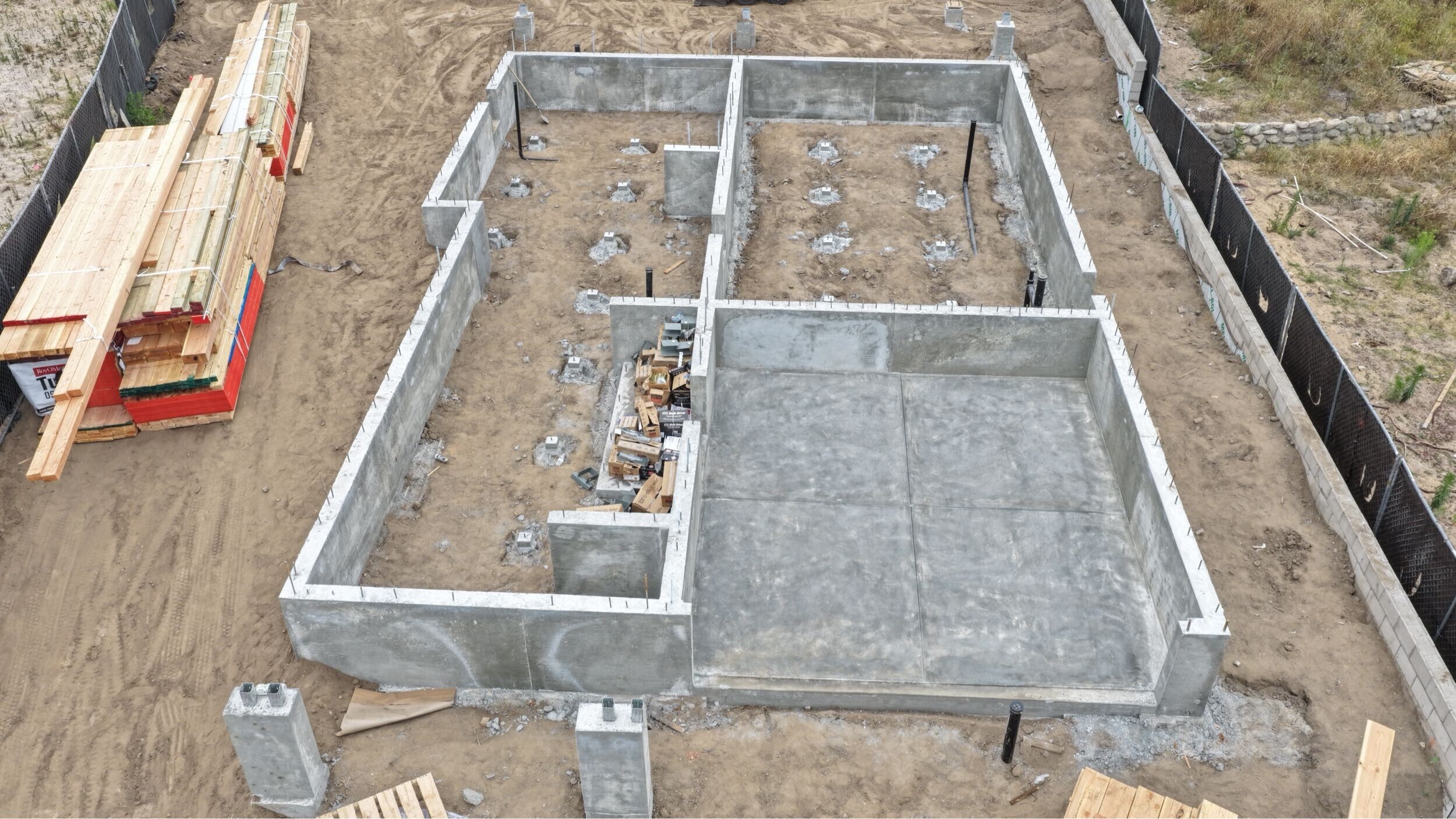
The practical move is to treat the lender's process as part of the project plan, not a surprise that shows up after construction starts. Call your servicer's loss-draft department early and get the disbursement schedule, the inspection requirements, and the contact for releases. Share that schedule with your contractor before signing, so the payment terms in your contract line up with when the lender actually releases money. And choose a builder who has run jobs on a draw schedule before, can sequence work around inspection milestones, and can provide the lien releases and documentation the lender asks for at each step. A rebuild financed through insurance proceeds runs on paperwork as much as on lumber.
For Eaton Fire homeowners in Altadena working through how a lender will release insurance proceeds, the team at 1st Choice Design and Development is glad to walk through your draw schedule and how a rebuild can be sequenced around it. Getting the payment timeline on paper early tends to remove a lot of the uncertainty.

.jpeg)




.jpeg)