Property Taxes and Your Altadena Rebuild: How Rebuild Size Affects Your Prop 13 Base
Most Altadena homeowners rebuilding after the Eaton Fire are focused on cost, timeline, and design. The property tax consequences of how big they rebuild get less attention, but they are worth understanding early. California law lets you keep your old, low assessment if you rebuild close to what you had, and quietly raises it if you build well beyond that.
June 1, 2026
4 minute read
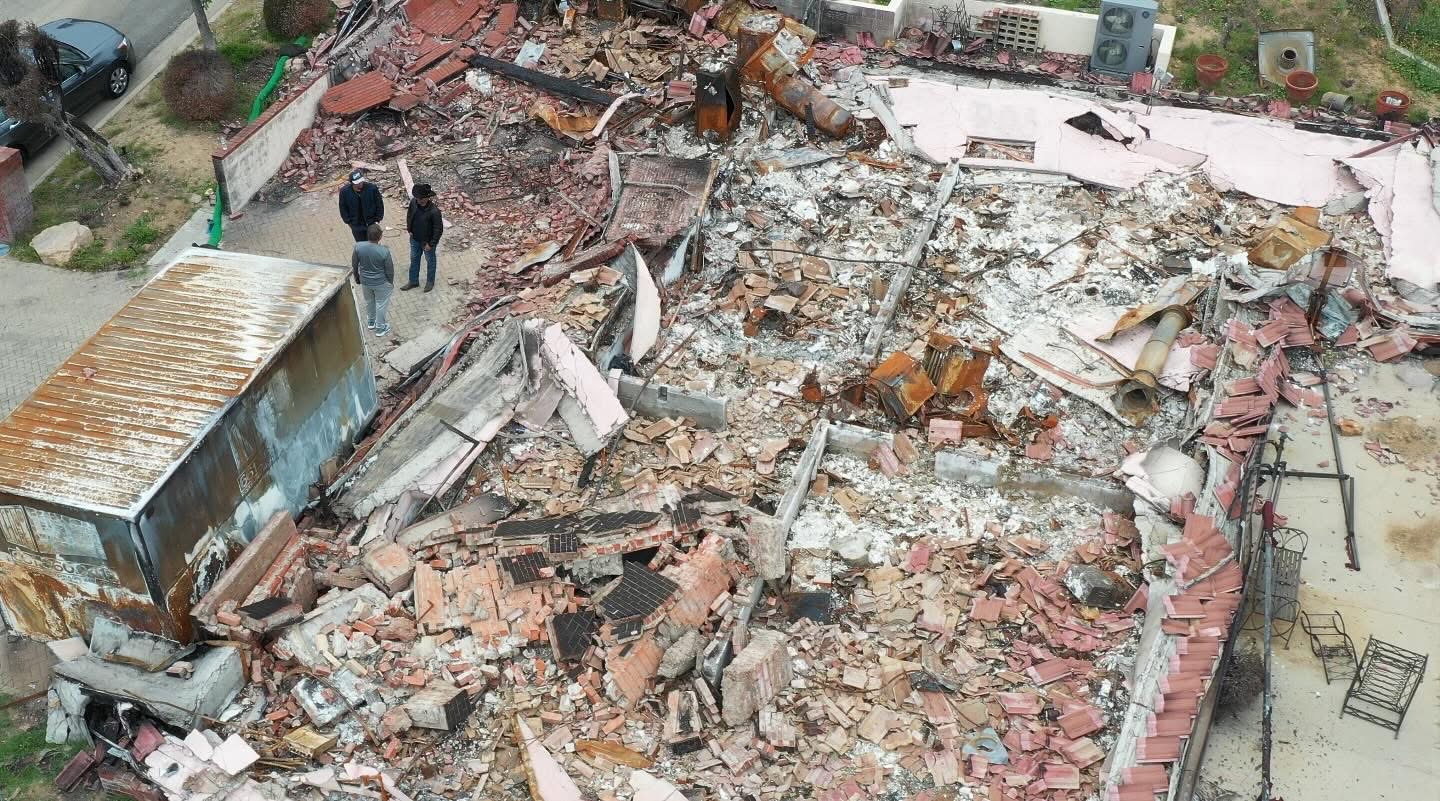
When you rebuild after the Eaton Fire, the decisions that get the most attention are cost, design, and how fast you can get back into a home. Property taxes rarely make the short list. They should at least make the conversation, because the size and value of what you rebuild determines whether you keep the low Proposition 13 assessment you had before the fire or take on a higher one for as long as you own the house.
California has specific rules for property destroyed in a disaster, and they generally favor homeowners who rebuild something close to what they lost. The rules get less generous as the new house grows larger or more expensive than the old one. Knowing where that line sits lets you weigh size and finish choices with the tax consequences in view, rather than meeting them on a bill a year after you move in.
How Proposition 13 sets your starting point
Proposition 13 ties your taxes to a base year value, usually what you paid for the home, rising no more than two percent a year. Over time this factored base year value falls well below what the house would sell for. A family that bought in Altadena decades ago, or inherited the home, often carries an assessed value that is a fraction of current market value. That gap is what is at stake in a rebuild.
The fire did not erase that base year value. The structure is gone, but the favorable assessment attached to it can carry forward to the new house if the rebuild meets the state's test. The land keeps its own base year value throughout, since the land was not destroyed. The real question is whether the new improvement is close enough to the old one to inherit the old number.
Why a fire rebuild is not treated as new construction
Normally, new construction triggers a reassessment at current market value. A disaster rebuild is treated differently. Under California Revenue and Taxation Code section 70, reconstruction of property damaged or destroyed in a Governor-declared disaster is not assessed as new construction when the rebuilt property is substantially equivalent to what stood before. Clear that bar and the home's factored base year value is reinstated, adjusted only for the normal annual inflation factor that would have applied anyway.
This is why two similar-looking houses on the same Altadena street can carry very different tax bills after rebuilding. One owner rebuilt close to the original and kept a decades-old base. The other built significantly larger and picked up new assessed value. They followed the same building code. Their property tax outcomes were not the same.
The 120 percent rule, in plain terms
Substantially equivalent has a specific meaning. State guidance defines it as a reconstructed structure that does not exceed 120 percent of either the size or the full cash value of the structure that was damaged or destroyed. As long as the new improvement stays within that 120 percent band, the old factored base year value applies to all of it.
If the new structure comes in above 120 percent, you are not reassessed on the entire house. Only the portion above substantially equivalent receives a new base year value at current market value, and that is added to the factored base carried over from before. So a modestly larger or modestly nicer rebuild usually stays protected, and your tax exposure grows only with the part of the project that pushes past the line.
What this means when you decide how big to rebuild
For most homeowners the takeaway is simple. Rebuilding the same footprint, or a little larger, generally keeps your old assessment intact. Adding a second story, expanding the footprint well beyond the original, or finishing the house to a much higher standard than before are the moves most likely to push the structure past 120 percent of its prior size or value.
Two details surprise people. Because the test looks at size or value, rebuilding the same square footage with much higher-end finishes can still cross the value threshold even when the footprint does not change. And an accessory dwelling unit built alongside the main house is generally new construction in its own right, assessed at current value, separate from whether the main house stays substantially equivalent. Neither is a reason to avoid building what you want. They are reasons to know the recurring cost before you commit.
Misfortune and Calamity relief while you rebuild
While the house is gone and under construction, you should not be taxed as though it were still standing. California's Misfortune and Calamity provision, Revenue and Taxation Code section 170, lets the Assessor temporarily reduce the assessed value to reflect the damage, generally when the loss exceeds $10,000. Many Eaton Fire homeowners filed for this relief in the months after January 2025. When you complete a substantially equivalent rebuild, the factored base year value is restored, so the temporary reduction does not cost you your Proposition 13 position.
If you are not sure whether a Misfortune and Calamity claim was filed on your property, the Los Angeles County Assessor's office can confirm your status and explain how your assessment is being handled during reconstruction. That is worth checking rather than assuming.
How to factor this into your rebuild decision
The cleanest approach is to get your pre-fire factored base year value from the Assessor early, then check your design against the 120 percent size and value bands before plans are final. If you are choosing between rebuilding close to the original and building something considerably larger, the difference is not only construction cost. It is a recurring annual tax difference that lasts as long as you own the home, and it is worth putting a number on before you decide. A tax professional or the Assessor can help you estimate it.
At 1st Choice Design and Development, we work with Altadena homeowners on rebuild plans where these tradeoffs are part of the conversation from the start, alongside cost, code, and timeline. If you want to talk through how the size and scope of your rebuild lines up with your property tax position, we are glad to help you think it through.

.jpeg)




.jpeg)