Getting Power Back on Your Altadena Rebuild: The Temporary Pole Is the Easy Part
Power comes to your Altadena rebuild in two separate steps, and the second one surprises people. Getting a temporary pole energized for construction is fast and inexpensive. The permanent service is where your rebuild meets SCE's plan to underground much of Altadena, and where a five-figure connection cost can appear that was nowhere in your insurance estimate.
June 15, 2026
Power comes to your Altadena rebuild in two separate steps, and homeowners tend to budget for neither. The first is temporary construction power, the electricity your crew needs on the lot to actually build the house. The second is the permanent service that feeds the finished home. Both run through Southern California Edison, but they follow different processes, on different timelines, with very different price tags.
The temporary side is fast and inexpensive. The permanent side is where your rebuild runs into SCE's plan to underground much of Altadena's grid, and that is where a five-figure cost can appear that was nowhere in your insurance estimate. Knowing how both steps work, and when each one happens, keeps power from becoming the thing that holds up your move-in.
Temporary power: the fast, cheap part
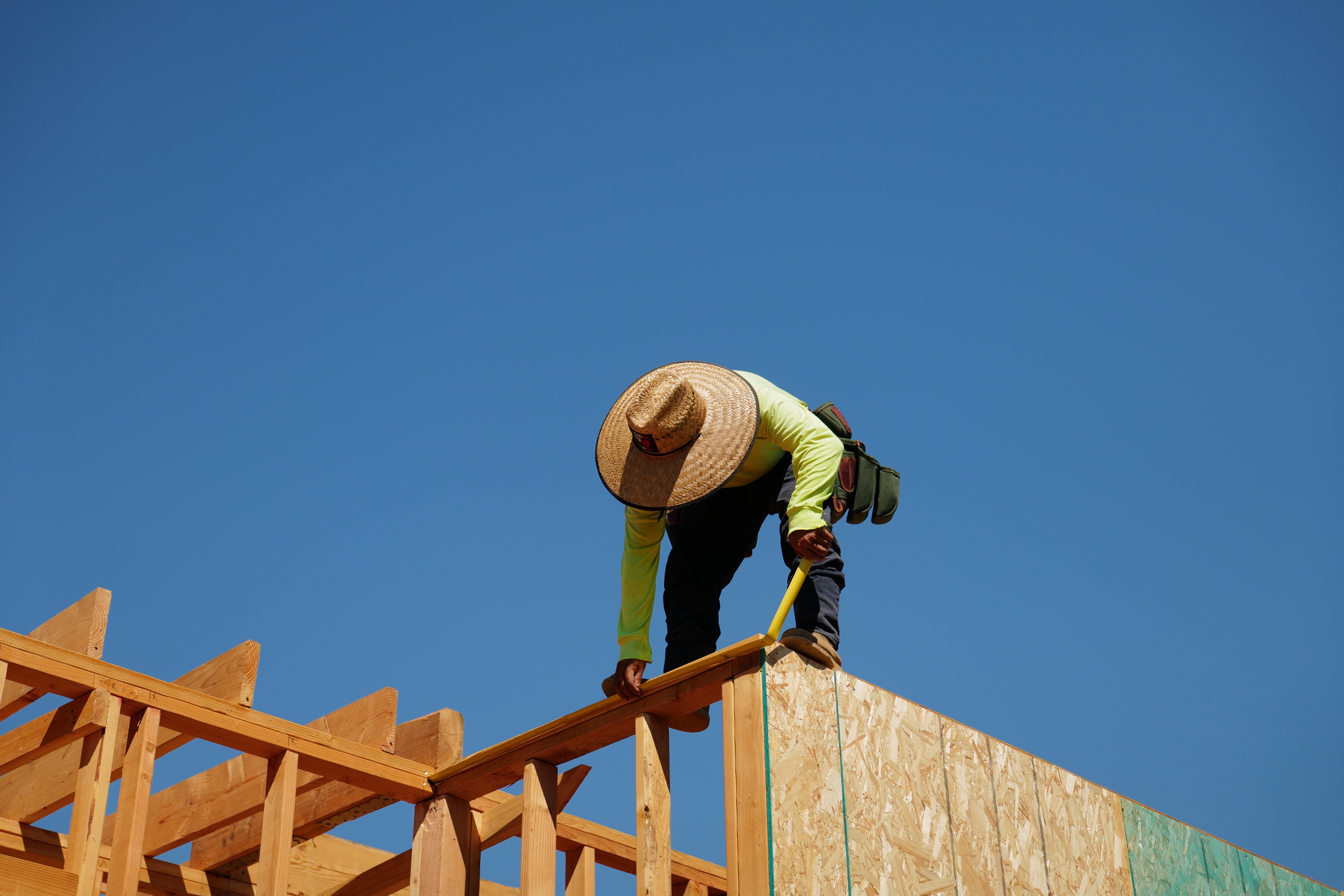
You cannot frame, wire, or run tools on a bare lot without electricity, so almost every rebuild starts with a temporary power pole. Your electrician sets the pole and a temporary panel, you pull a permit with LA County for the temporary service, and the County inspects the installation. Once the County sends the inspection release to SCE, a crew comes out to set the meter and energize the pole. SCE's guidance for fire-rebuild customers puts that final meter set at roughly five to seven days after it receives the release.
The pole itself is a small cost next to the build, and SCE has set up a dedicated path for fire survivors to request one. You can start through SCE's disaster recovery line or in person at the Altadena Rebuild and Community Hub, the office SCE opened to handle permitting, undergrounding, and power questions in one place. The practical point is to start early, because little else on the lot moves until there is power to work with.
What SCE's undergrounding program actually is
After the Eaton Fire, SCE decided to rebuild much of Altadena's distribution grid underground rather than string it back overhead. As of 2026 the utility's plan covers roughly 63 miles of distribution lines in and around Altadena, with about 40 of those miles in the high fire risk area near the canyons and the rest in neighborhoods that were severely damaged. SCE has told state regulators that the broader Altadena and Malibu undergrounding effort could cost as much as $925 million, a figure that still needs approval and that has drawn sharp pushback at community meetings.
For your lot, the question is narrow: is your street being undergrounded, or is it staying overhead. Lines that are not converted are being hardened with covered conductor instead. Standing homes can stay on their existing overhead service at no cost for now. A rebuild is a different case, because you are connecting a brand new service either way, and if your street goes underground, that new service ties into the underground system.
The part you pay for: from the street to your panel
Here is the cost that catches people. Under state utility rules, SCE pays to underground the lines in the street, but the connection from the property line to your home's electrical panel is the homeowner's responsibility. That means trenching across your lot, running conduit, and tying into the new underground cables near the curb. SCE has estimated this at roughly $8,000 to $10,000 per home.
Treat that as a floor, not a fixed price. Homeowners with long driveways, panels set far from the street, or houses that need a new panel to accept an underground feed have reported estimates in the $20,000 to $40,000 range. Reporting on the program through 2026 has documented that spread, and it is the single line item most likely to be missing from an insurance scope written around the house that burned, which was fed from overhead.
Why the trench is cheaper while the lot is open
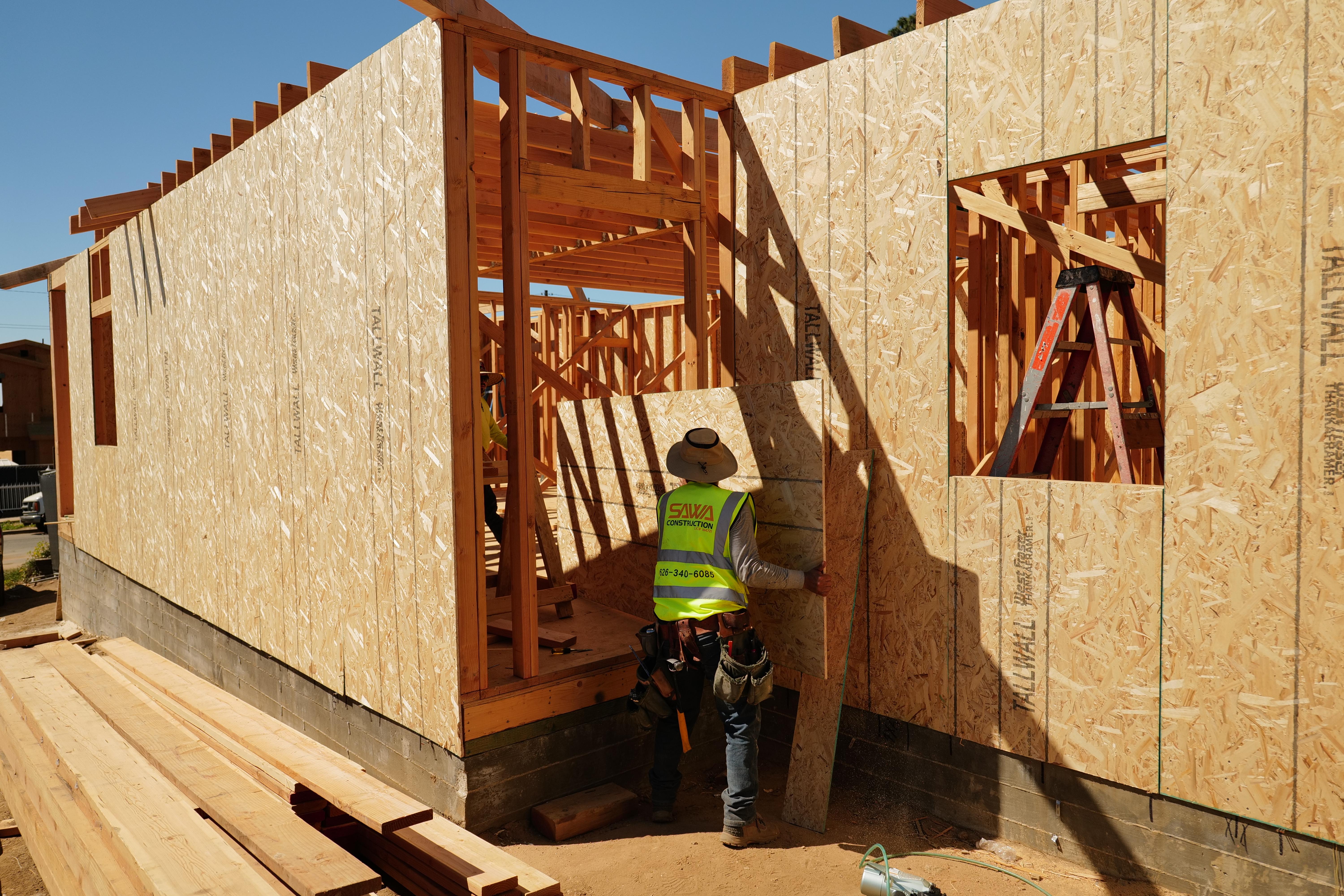
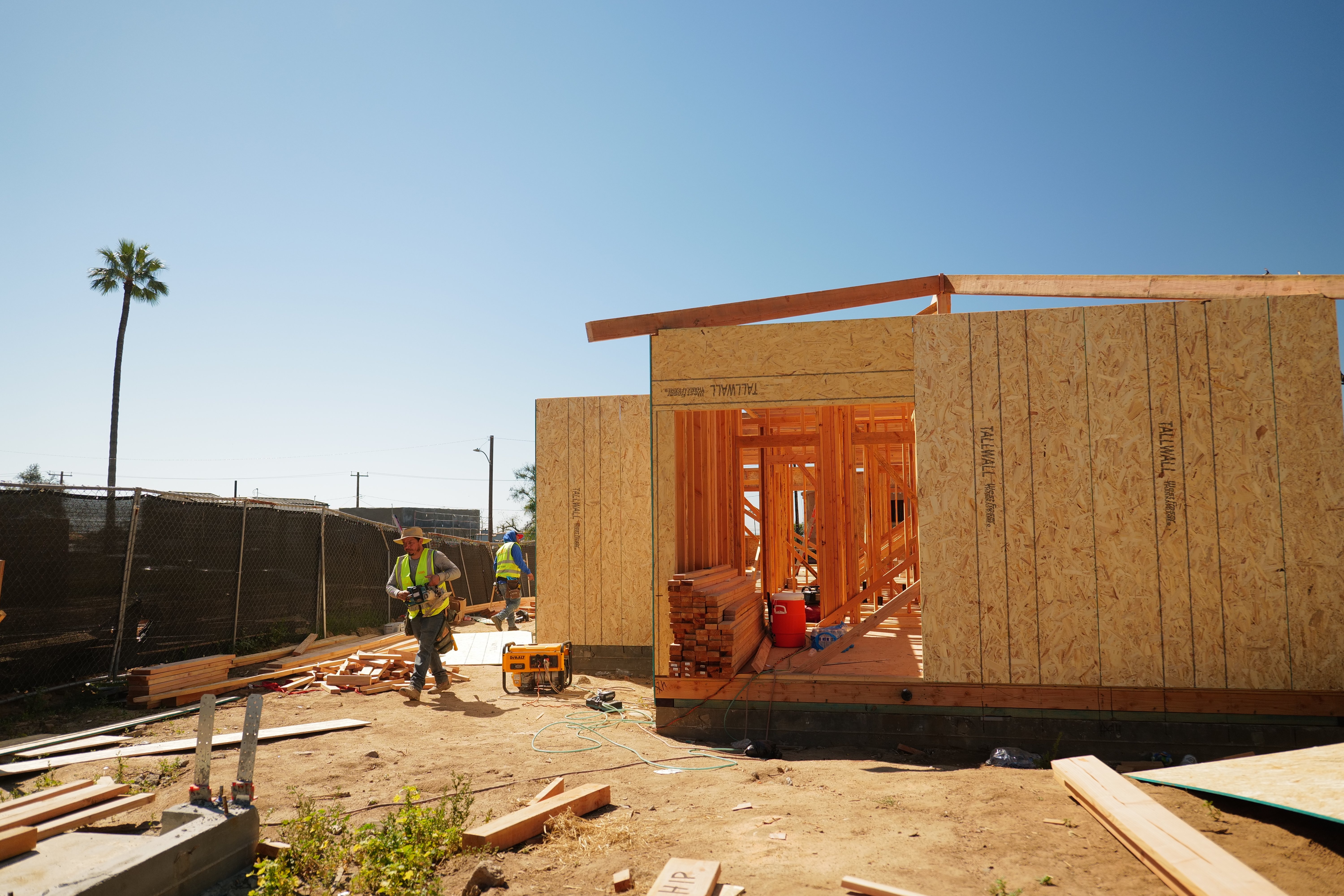
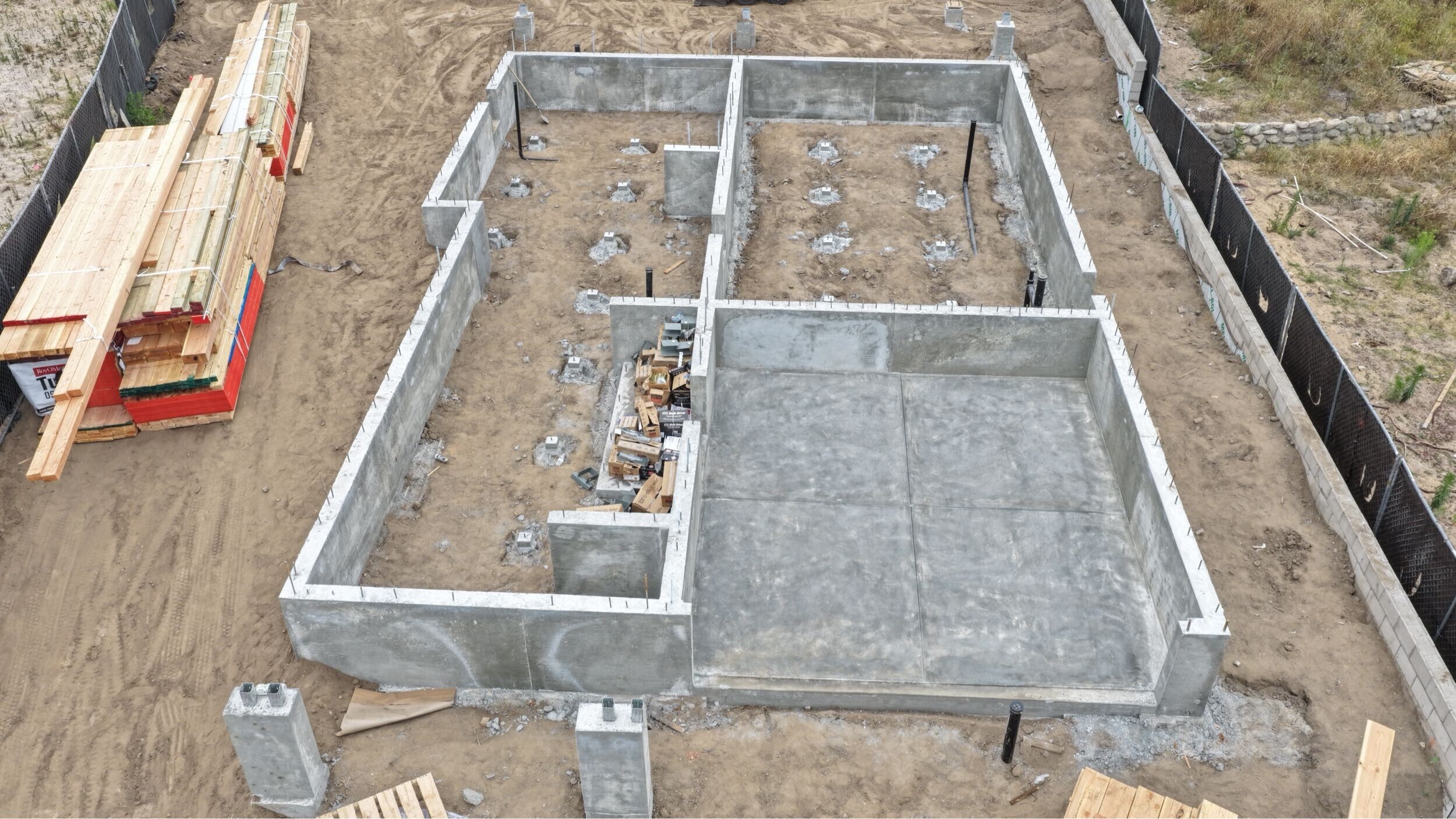
The reason to settle this early is that the electrical trench is far cheaper to dig while you are already moving dirt. A rebuild means open ground for the foundation, the sewer or septic line, water, and gas. Folding the electrical conduit into that same window, with the crew and equipment already on site, avoids paying separately to trench a finished, landscaped lot later.
Panel placement is the other early decision. Where your designer puts the main panel on the new house sets how far the underground run has to travel. A panel on the street-facing wall keeps the trench short. A panel tucked at the back of the lot does the opposite. It is worth raising with your designer and electrician before the plans are final, not after the slab is poured.
Water and gas are separate systems
Electricity is only one of three utilities, and the other two do not run through SCE. Natural gas is SoCalGas, with its own reconnection and meter process. Water in Altadena comes from a patchwork of small providers, including Lincoln Avenue Water Company, Rubio Cañon Land and Water Association, and Las Flores Water Company, with other areas served by Pasadena and Kinneloa, depending on your address. Several of these companies lost a large share of their connections in the fire and are still working through extensive water-quality testing, so meter restoration and any recovery fees vary by provider. Confirm your specific service status with each utility rather than assuming its timeline matches your electrical work.
What to actually do
Start the temporary power request early, through SCE's disaster recovery line or the Altadena hub, and have your electrician pull the temporary pole permit so the lot is workable as soon as framing begins. Separately, ask SCE whether your street is slated for undergrounding and get the expected timing in writing. If it is, get a real trenching and panel quote and build that number into your construction budget now, as a planned cost rather than a mid-project change order. Decide panel placement with your designer to keep the run short. And line up water and gas reconnection in parallel, since each one moves on its own schedule.
Sorting out power, water, and gas is one of the less visible parts of an Altadena rebuild, and one of the easiest to underbudget. If you are weighing how the undergrounding connection fits your lot, your panel location, and your overall cost, the team at 1st Choice Design and Development is glad to walk through the specifics with you. It is a simpler conversation to have before the trench is dug than after.
.jpeg)



.jpeg)