Reusing Your Foundation in an Altadena Rebuild: What It Takes to Keep a Fire-Damaged Slab
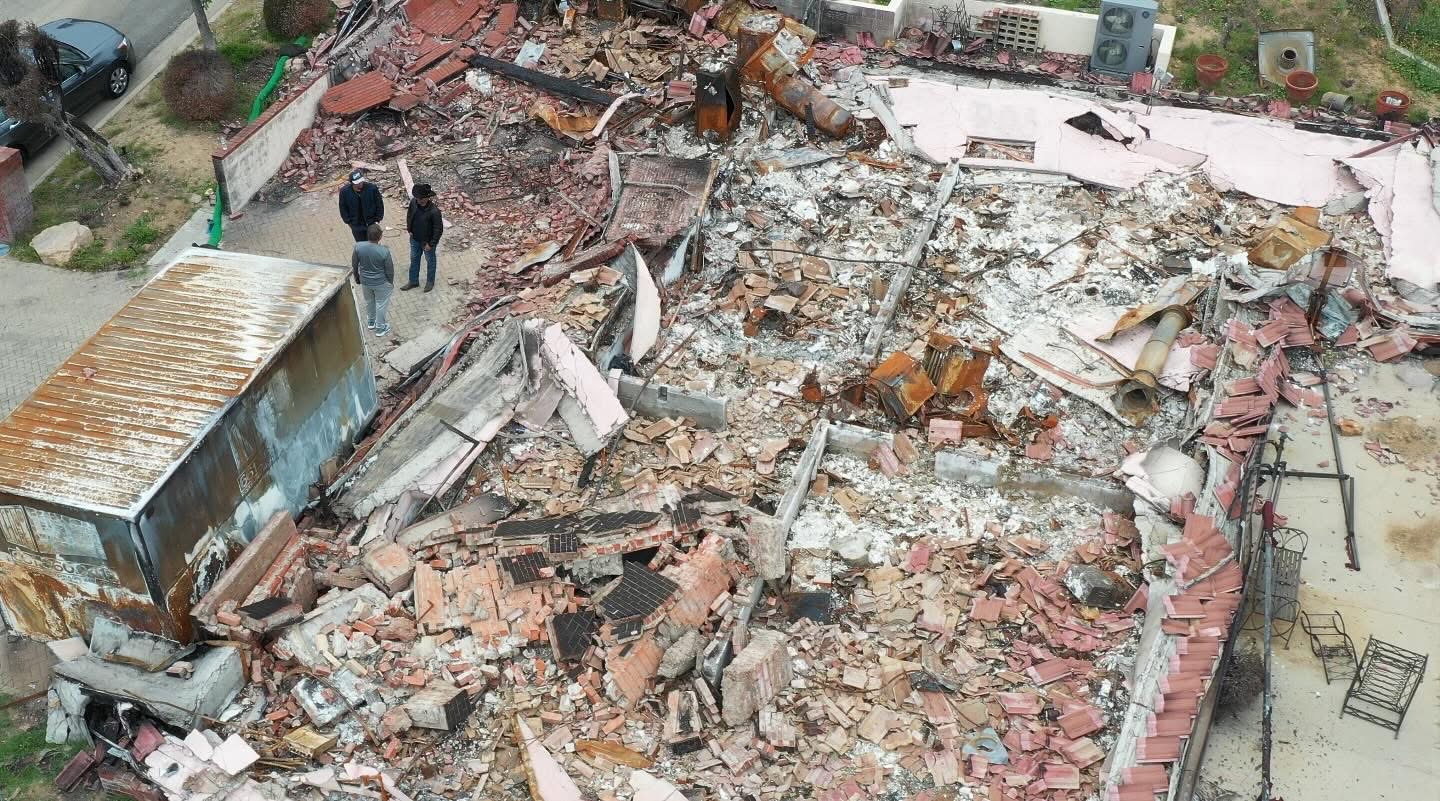
The concrete slab still sitting on your lot can look like the one part of the old house that came through the Eaton Fire intact, and keeping it seems like an obvious way to save money on an Altadena rebuild. LA County does allow foundation reuse, but only after a licensed engineer tests the slab and certifies it. The path is narrower than most homeowners expect.
June 12, 2026
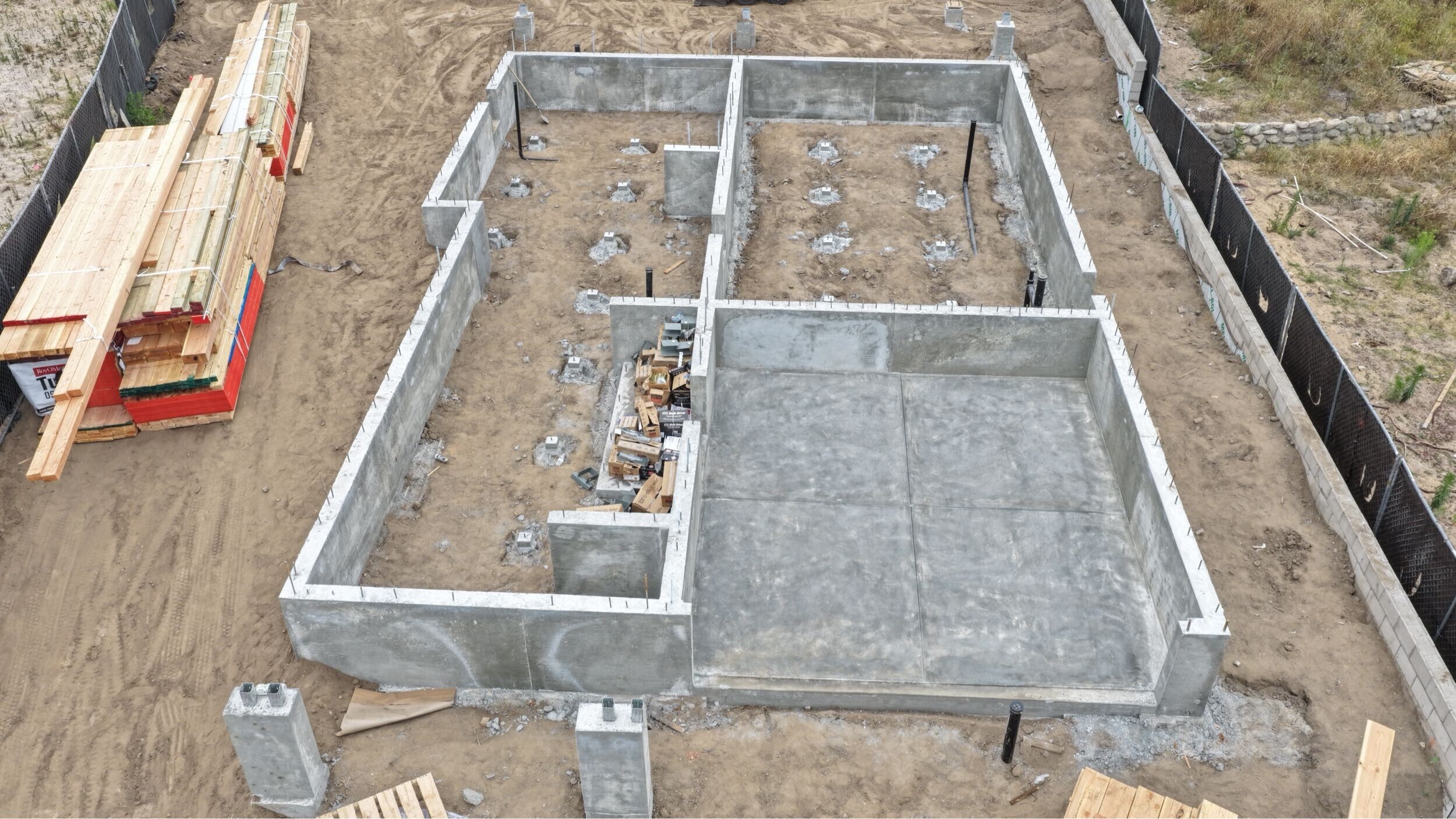
Reusing the old foundation is one of the first cost-saving ideas homeowners raise when they start pricing an Altadena rebuild after the Eaton Fire. The logic makes sense. The foundation goes in before framing can start, so a slab you are able to keep is money and time you do not have to spend at the very beginning of the job.
What surprises people is how much has to happen before the County signs off. A fire-exposed foundation is not treated as sound until proven otherwise. It is treated as unproven until a licensed engineer tests it and certifies that it can safely carry a new house. Building your budget and schedule around keeping the slab before that work is done is where homeowners tend to get into trouble.
What LA County Requires Before You Can Reuse a Foundation
For rebuilds in unincorporated Altadena, LA County Public Works treats foundation reuse as an engineering decision, not a judgment call the homeowner or the framing crew gets to make. To keep an existing foundation, you have to retain a licensed design professional to evaluate it. That is usually a structural engineer, though a licensed civil engineer or an architect can also make the determination. The County has a specific document for this, the form titled Reuse of Existing Foundation Systems in a Fire Damaged Structure, and the engineer completes and stamps it as part of your permit package.
Two conditions sit underneath the entire process. The determination has to be based on real testing and forensic analysis rather than a walk-around inspection, and the foundation has to meet current building code, including the slope and setback rules that apply to your lot. A slab that was perfectly legal under the code in place when the original house was built does not automatically clear today's requirements.
What the Engineer Is Actually Looking For
Concrete and the steel inside it do not always show fire damage on the surface. A slab can look intact and still have lost strength where it was exposed to sustained heat, and the reinforcing steel cast into it can be compromised in ways you cannot see from above. That is why the evaluation goes well beyond looking for cracks.
A thorough investigation generally includes pulling concrete cores to test the material, checking the condition and placement of the reinforcing steel, and running structural calculations that weigh what the old foundation can carry against the loads the new house will put on it. The engineer is answering one narrow question: will this specific foundation safely support this specific new structure. Because they take on professional liability for that answer, engineers tend to be conservative, and that conservatism works in your favor. It is the same scrutiny you would want standing between your family and a failure you cannot see.
The Utilities Buried Under the Slab
A foundation is not only concrete. Running through and beneath it are the drain, waste, and vent lines, the water supply, and the mechanical and electrical systems that served the old house. The County requires the engineer to confirm those under-slab systems are suitable for continued use, because a structurally sound slab sitting over failed plumbing is not a finished problem.
Some of the rules here are specific. Under-slab electrical conductors have to be replaced, even though the conduit they run through may be allowed to stay. Plumbing that survived still has to be evaluated and, in many cases, tested. This is also where reuse can quietly come apart, because a slab that passes structurally can still force you to break concrete to reach what is failing underneath it, and that work eats into the savings that made reuse attractive in the first place.
Three Ways the Evaluation Can Come Back
It helps to go into this expecting one of three outcomes rather than a clean yes or no. The engineer may certify the foundation for full reuse, which is the simplest result. They may certify it for partial reuse, where some of the existing foundation stays and new or strengthened elements are added to bring it up to what the new house needs. Or they may conclude that full replacement is the right call.
Plenty of fire-exposed foundations do not end up certified for reuse, and it is far better to learn that early than to plan around a slab you ultimately cannot keep. The healthy way to treat reuse is as a possibility worth investigating, not as savings you have already banked.
How to Decide Whether to Pursue Reuse
Start by getting an engineer involved early, before you commit your budget and schedule to keeping the slab. The evaluation costs money, since you are paying for testing and professional time, so weigh that against what you would realistically save if the foundation passes. On a flat, straightforward lot the math can favor investigating. On a complex or hillside lot, where the engineering is more involved and the setbacks are stricter, the calculation looks different.
Your design choices matter just as much. Foundation reuse really only comes into play when you are rebuilding close to the original footprint, which overlaps with the County's like-for-like path. The moment you move walls, expand the floor area, or change where the structure's weight comes down, the old foundation may not line up with the new house no matter how sound the concrete turns out to be. Deciding how closely your new home will follow the old one often answers the foundation question before an engineer ever sets foot on the lot.
For Eaton Fire homeowners weighing whether to keep an existing foundation in an Altadena rebuild, the team at 1st Choice Design and Development is glad to look at your lot, your old footprint, and what your engineer finds, and to talk through whether reuse is worth pursuing. It usually becomes a clearer decision once the testing is back and the numbers are on paper.
.jpeg)



.jpeg)