Builder's Risk Insurance for Your Altadena Rebuild: What Your Homeowner's Policy Will Not Cover
The homeowner's policy that paid out on your Eaton Fire loss was written for a finished, occupied house, not for a lot with a half-framed structure on it. Once construction starts, the coverage that protects the building going up is a separate policy called builder's risk. Knowing who carries it and what it leaves out keeps a fire, a theft, or a windstorm mid-rebuild from becoming a second uninsured loss.
June 17, 2026
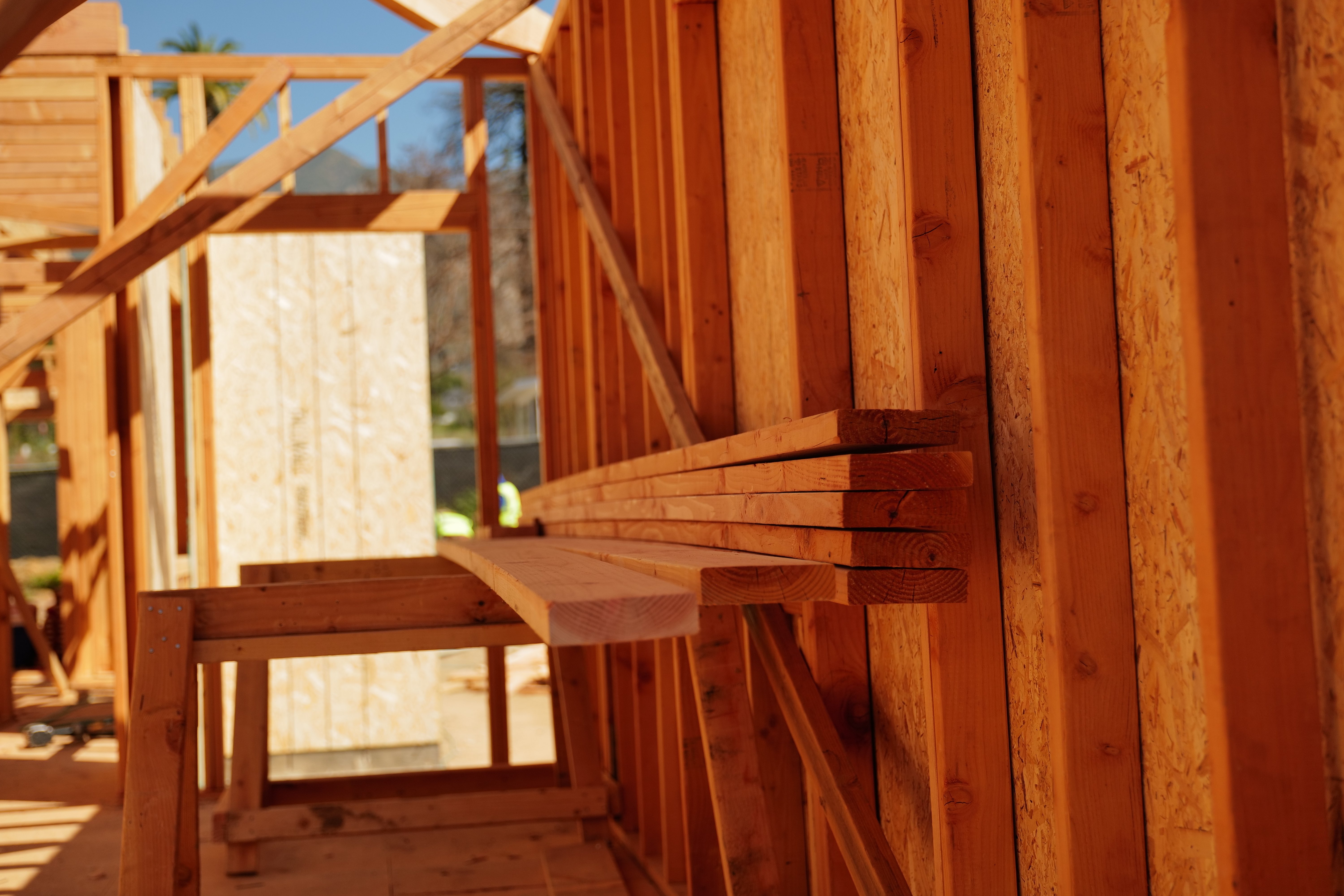
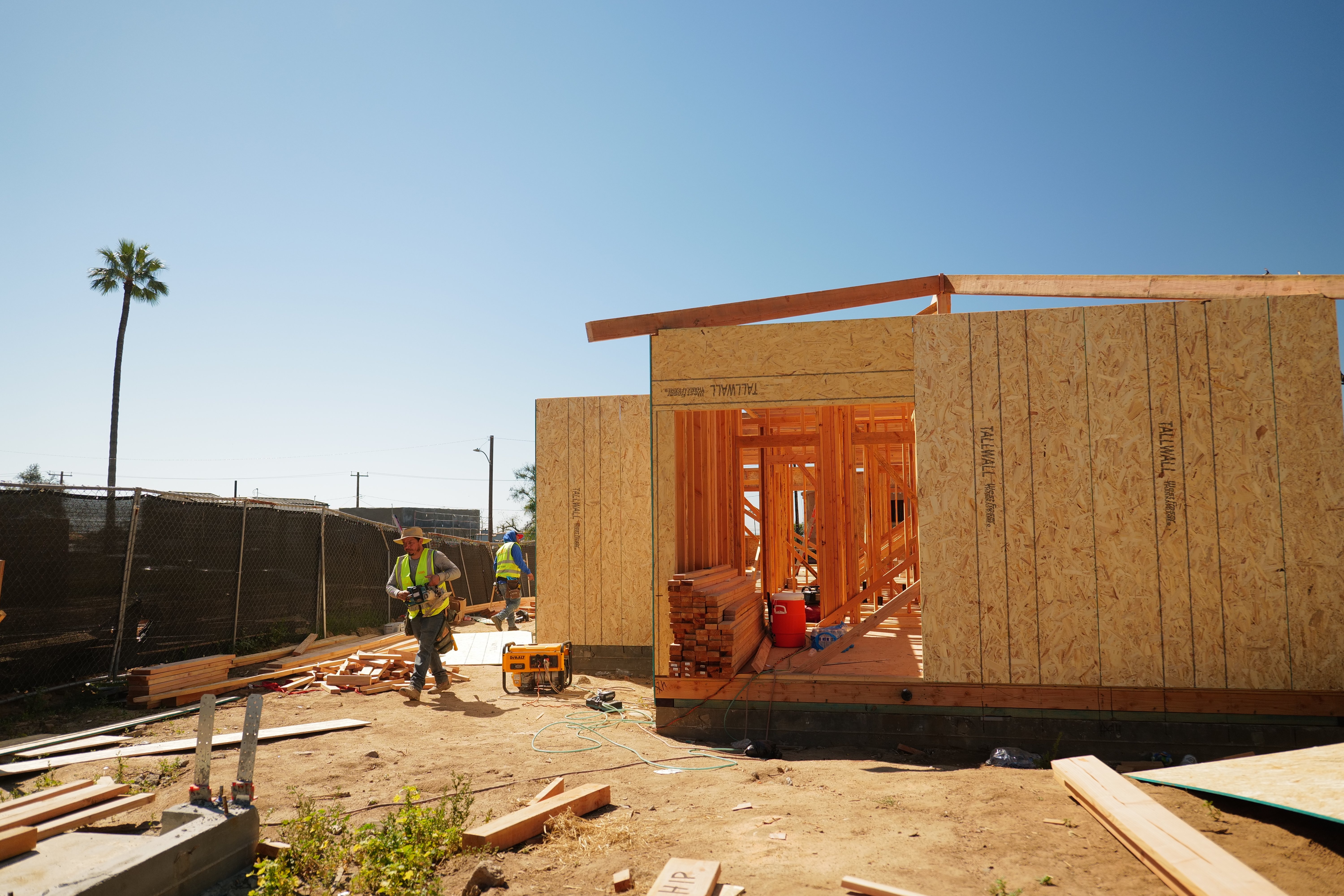
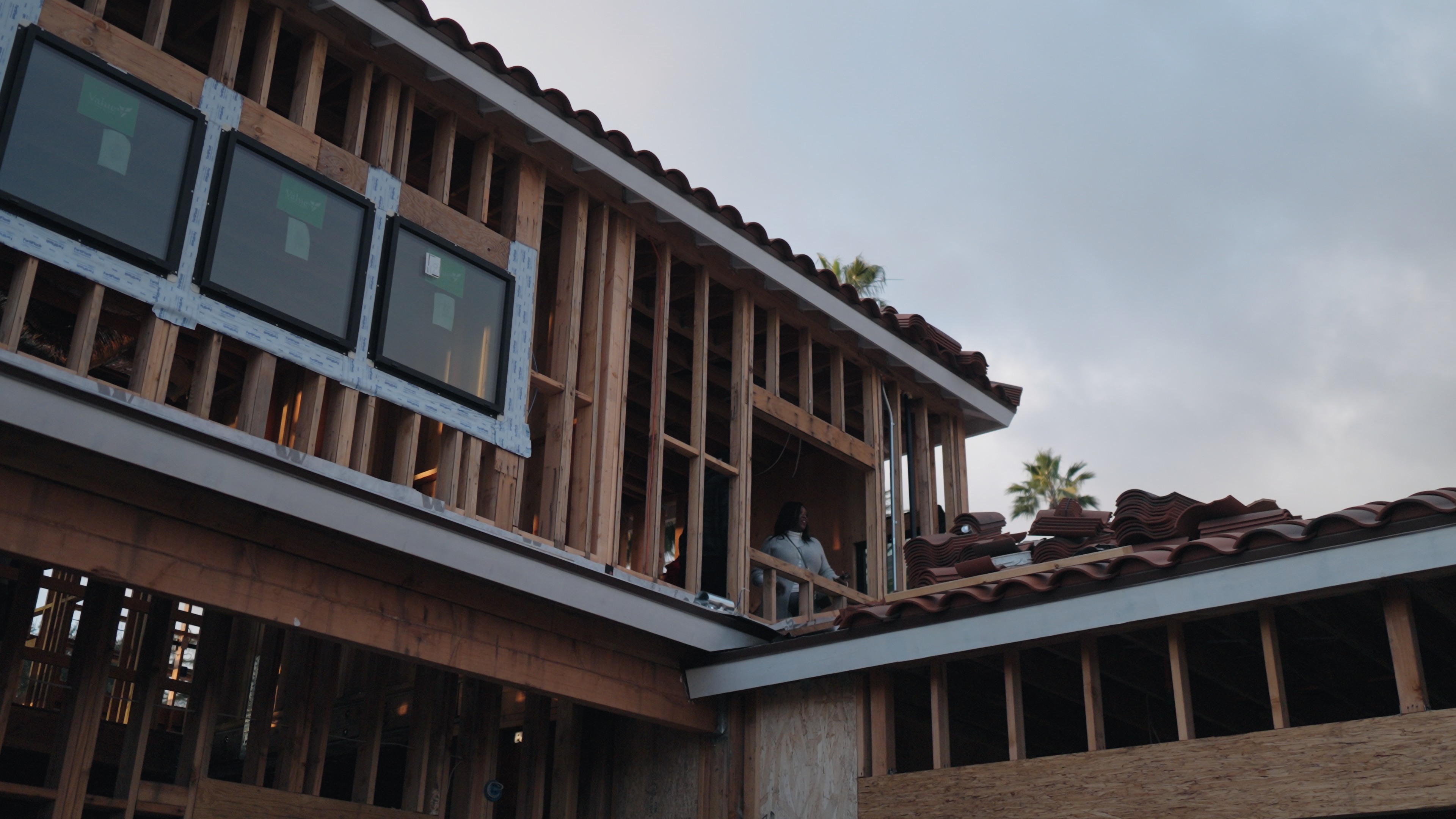
Most Altadena homeowners think of insurance as something they already dealt with. The claim was filed, the dwelling check came through, and the money is sitting in an account or moving through the lender in draws. What catches people off guard is that the policy which paid that claim was written to protect a finished, occupied house. It was never built to cover a structure that is half framed on an open lot, and through the months your Eaton Fire rebuild is under construction, that distinction matters.
The coverage that protects a building while it goes up is a separate product called builder's risk insurance, sometimes sold as course of construction insurance. It is routine on professional jobs, and most experienced builders will not start a project without it. The catch on a fire rebuild is that the job of buying it can fall into a gap between the homeowner and the contractor, and the policy carries exclusions that matter more in a wildfire area than almost anywhere else.
What builder's risk insurance actually covers
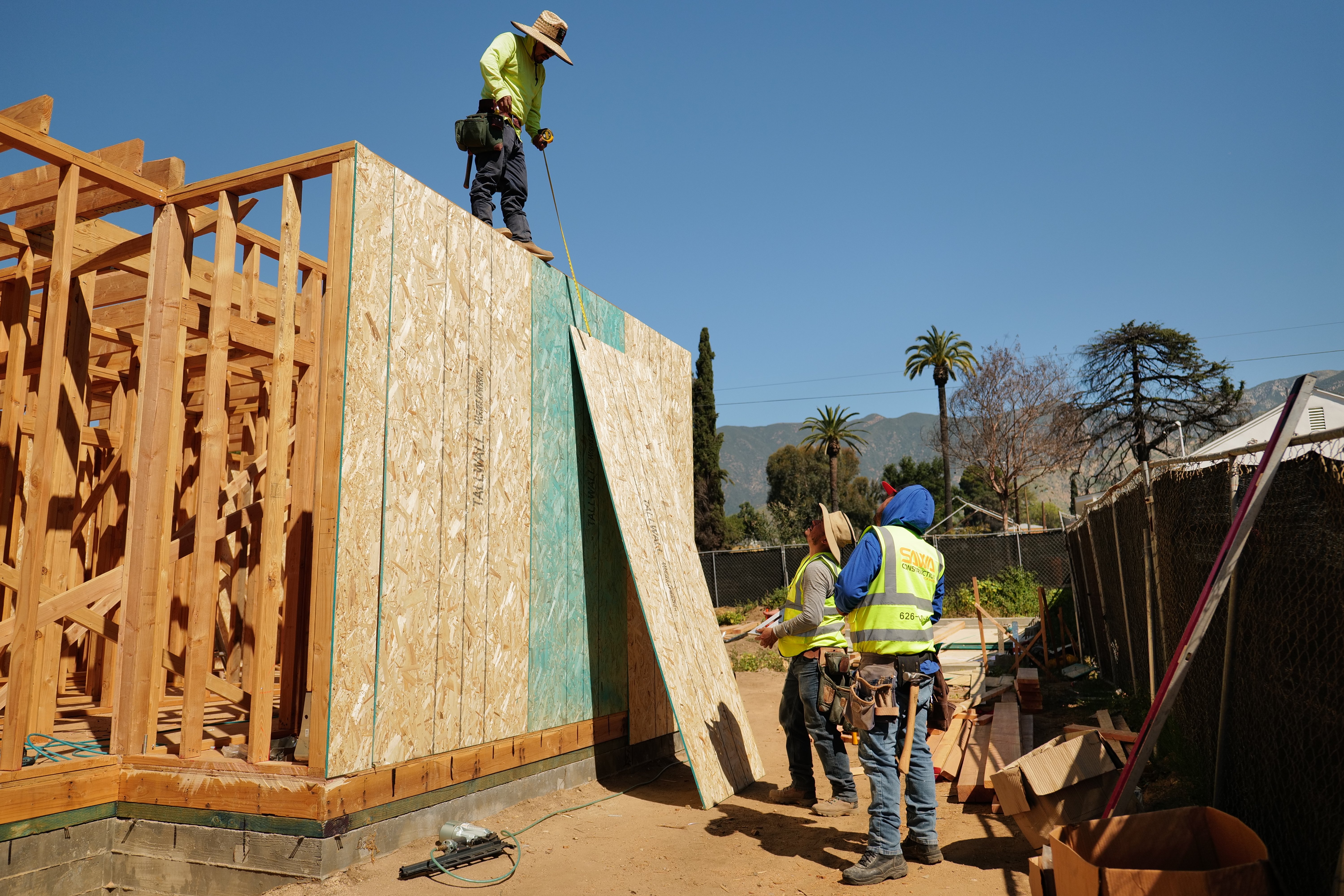
Builder's risk covers the structure being built and the materials that go into it. That includes materials sitting on your lot, materials stored off site, and materials in transit to the job. If framing lumber, windows, or cabinets are damaged, destroyed, or stolen before they are installed, the policy pays for the loss, subject to its limits and conditions. United Policyholders, the nonprofit that has guided wildfire survivors through insurance for decades, offers a useful example: if cabinets you already paid for burn in a fire at the cabinet maker's shop before they ever reach your site, builder's risk is what covers that loss.
The idea is that the coverage follows the whole construction project, not just the finished building. On a rebuild where you are buying and staging expensive materials for months at a time, that is exactly the exposure you want sitting behind you.
Why your homeowner's policy will not fill this role
It is reasonable to assume the homeowner's policy still attached to your property would carry you through the rebuild. In practice it will not. A standard home policy is written for a home that is lived in, and most contain a vacancy exclusion once a property sits empty for more than 60 days, which is easy to trip on a lot that is waiting to be built. A structure in the middle of construction is also simply not what that policy was designed to insure.
The other obvious candidates do not close the gap either. An umbrella policy raises your liability limits but does not cover physical objects like construction materials. Your contractor's own insurance protects your contractor, not you and not the materials you have already paid for. You can ask your insurer about adding a course of construction endorsement to your home policy, but few carriers offer one, which is why a standalone builder's risk policy is the usual answer.
Who buys the policy, you or your contractor
Either you or your contractor can carry the builder's risk policy, and either way you are the one paying for it. A builder who writes these policies regularly can often get a better rate than a homeowner shopping alone, so it is frequently arranged through the contractor. What matters is that the terms are clear and in writing.
If your contractor carries the policy, ask to be added as an additional named insured so you are actually protected under it, and confirm in detail what the policy excludes. Note the expiration date and set a reminder to check it about a month ahead, because a builder's risk policy that lapses in the middle of a project can be tricky and expensive to replace. If you carry the policy yourself, get a realistic completion date from your contractor, since these policies run from a set start date to a set end date and you do not want coverage ending while the work is still going.
The exclusions that catch fire rebuilds
Basic builder's risk policies commonly exclude damage from earthquakes and flooding, though you can sometimes add those back for an extra premium when they are real risks for your lot. In a wildfire area there is one more line worth checking carefully: some lower-cost policies quietly exclude wildfire itself, which is the last thing you want standing behind an Altadena rebuild. Read the policy, or have someone read it with you, before you count on it.
Theft is the exclusion homeowners overlook most. A neighborhood full of rebuilds running at once is a tempting target for material and tool theft, and builder's risk is meant to cover that, but only up to the materials limit written into the policy. That limit should reflect the value of what is actually staged on your site. One more trap is worth naming: personal contents like furniture are not covered by builder's risk, and moving your belongings into the house before you have a final occupancy can void the coverage unless you hold a specific endorsement that allows it.
If you are restoring a partially burned or smoke-damaged home
Not every Eaton Fire property was a total loss. If your home survived but needs major smoke or partial-damage restoration, know that insurers are pickier about writing builder's risk on a partial loss than on a clean ground-up rebuild, and a reasonably priced policy can be harder to find. If the brand-name carriers decline, an insurance broker with access to surplus lines, meaning non-admitted insurers, may have an option the standard market does not.
Closing the gap cleanly
The clean version of this is short to describe. Line up builder's risk before any work starts, make sure the policy spans the full expected length of construction, and confirm in writing who is carrying it and what it leaves out. If you are funding any part of the rebuild with a construction loan, expect the lender to require builder's risk before it releases money, so handle it early. And when your final certificate of occupancy comes through, have a regular homeowner's policy back in force that same day, so you never sit exposed in the gap between the two.
For Eaton Fire homeowners working through the insurance side of an Altadena rebuild, the team at 1st Choice Design and Development is glad to talk through how builder's risk fits with your contract and your lender. It tends to be a short conversation that heads off an expensive surprise later.

.jpeg)




.jpeg)