Underinsured After the Eaton Fire? Options to Consider Before You Cut Scope
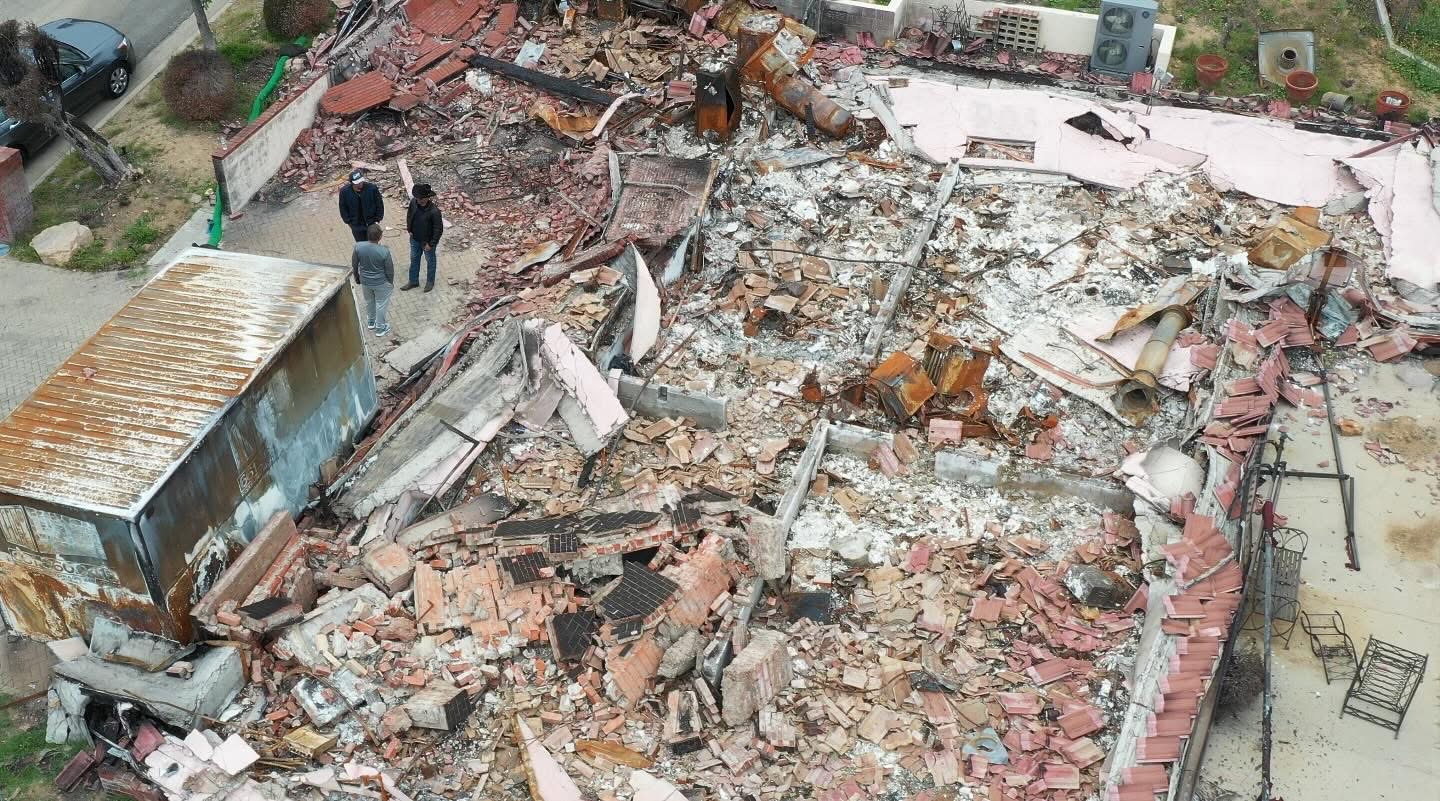
A large share of Altadena homeowners are opening rebuild estimates and realizing their dwelling coverage will not cover a full reconstruction at current prices. Before you start trimming bedrooms, dropping the second story, or walking away from the lot, there are several places to look first.
May 22, 2026
6 minute read

How Widespread the Gap Is
This is not your individual case. According to a July 2025 study by the Department of Angels nonprofit, the majority of insured Eaton Fire survivors had experienced delays, denials, or underpayments six months after the fire. Consumer Reports and other outlets have reported that most LA fire survivors describe themselves as underinsured for the cost of a full rebuild. Recognizing that the gap is systemic rather than personal can be useful when you are deciding how hard to push back on a settlement offer that does not match what your project actually needs.
California's Required Code Upgrade Coverage
This one is missed constantly. Under California Insurance Code Section 10103(c), any open residential property policy that provides replacement cost coverage and was issued or renewed after July 21, 2021, must include code upgrade coverage of at least 10 percent of the dwelling coverage limit, as additional coverage that does not reduce your Coverage A limit. Code upgrade coverage pays the additional cost of bringing the rebuilt home into compliance with current building codes, which for an Altadena rebuild includes Chapter 7A wildfire hardening, current energy code requirements, updated electrical and plumbing standards, and structural requirements that have changed since the original home was built. If your insurer has not separately accounted for code upgrade coverage in your settlement, ask why in writing.
Extended or Guaranteed Replacement Cost
Many California homeowner policies include an extended replacement cost endorsement, often in the range of 25 percent or 50 percent above the stated dwelling limit, intended to absorb construction cost inflation and the kind of regional demand surge Altadena is experiencing right now. A smaller number of policies include guaranteed replacement cost, which is broader still. Read your declarations page carefully, then read the policy form to confirm the conditions that have to be met to access the extended limits. In some policies, you have to rebuild on the same site and complete the work within a defined window. California law extends some of these timelines after a declared emergency, but you need to know what your policy actually says before you negotiate.
Additional Living Expense, Including the 12-Month Extension
After a declared state of emergency, California law requires residential policies to provide Additional Living Expense coverage for at least 24 months from the date of loss. If your rebuild is delayed by circumstances beyond your control, including permit delays, material shortages, or contractor capacity, your insurer is required to extend ALE coverage for an additional 12 months. ALE pays for temporary housing, food costs above your normal grocery spending, utility setup at the temporary residence, additional transportation, storage, and furniture rental for the temporary residence. If you have been told your ALE is about to end and your home is not yet rebuilt, request the extension in writing and reference the statutory basis. The California Department of Insurance has published consumer guidance on these provisions at insurance.ca.gov.
When a Public Adjuster Is Worth Bringing In
A public adjuster is a licensed professional who represents you, not the insurance company, in valuing and negotiating your claim. In California, public adjusters are licensed by the Department of Insurance and bound by California Insurance Code Section 15027. They typically work on contingency, charging a percentage of the recovery. California currently does not impose a statutory percentage cap, though all fees must be reasonable and clearly disclosed in writing before services begin. A public adjuster tends to make the most sense on large or contested claims where the gap between the insurer's offer and a credible rebuild scope is substantial, and where you do not have the time or expertise to document and negotiate the line items yourself. Public adjusters are not a fit for every claim, and you should interview at least two before signing anything.
When It Is Time to Talk to a Lawyer
If you believe your insurer is acting in bad faith, denying clearly covered items, refusing to honor extended replacement or code upgrade endorsements you paid for, or dragging out the process in ways that look designed to pressure you into a low settlement, the next step is usually a consultation with a policyholder-side insurance attorney. Many handle bad faith claims on contingency. A growing number of Eaton Fire survivors have filed lawsuits against major insurers in 2025 and 2026 over precisely these issues. You do not need to commit to litigation to have a lawyer review your situation, and a single consultation can clarify whether your claim has been mishandled or simply underestimated.
Use a Builder Estimate as Leverage With Your Insurer
One of the most effective tools in an underinsurance negotiation is a detailed, line-item rebuild estimate from a licensed contractor who is actually qualified to do the work in your jurisdiction. Insurance carriers often rely on national estimating software that does not capture current LA Basin conditions, Chapter 7A material requirements, or the realities of permitting in unincorporated LA County. A credible builder estimate, organized in the same format as the carrier's scope of loss, gives you a concrete document to negotiate against rather than a general assertion that the offer is too low. This is one of the reasons working with a design-build team early in the claim process can pay for itself before construction even begins.
Phased Construction and ADU-First Strategies
If, after exhausting your coverage options, a meaningful gap remains, design and sequencing choices can help. Some Altadena homeowners are building a permitted accessory dwelling unit first, moving into it, and then using the ADU as a base of operations while the main home is built or temporarily paused. California's ADU laws are favorable, and LA County has clarified that ADUs may be built on properties undergoing fire rebuilds, subject to local rules. Other homeowners are phasing the main house itself, completing a fully permitted core first and finishing secondary spaces in a later phase. Both strategies have trade-offs in permitting, financing, and long-run cost, and both should be reviewed with your design-build team and your lender before committing.
Value Engineering With Your Design-Build Team
If scope reduction becomes necessary, do it with a designer and builder in the room together rather than in isolation. The difference between a thoughtful value engineering pass and a panicked one is significant. Decisions about wall assemblies, window packages, roofing systems, and mechanical systems all have downstream effects on energy performance, future insurance premiums, and resale value. A design-build team can model trade-offs in real time and help you protect the parts of the project that matter most to you and your household.
Re-Read Your Policy Line by Line
Most homeowners have not looked at their full policy declarations since they bought it. Pull the declarations page and the full policy and identify every coverage line, not just Coverage A (the dwelling). Look for Coverage B (other structures, such as detached garages, fences, and sheds), Coverage C (personal property), Coverage D (loss of use, often called Additional Living Expense), and any endorsements for code upgrades, extended replacement, or building ordinance. The total available coverage is often meaningfully larger than the dwelling limit on its own. This is also the moment to identify any sub-limits, deductibles, and exclusions that will affect your final settlement.
A Note on Releases and Waivers
Be cautious about signing any document from your insurer labeled as a release, final payment, or full and final settlement, especially while your rebuild is still in design or permitting. Once signed, these documents can foreclose your ability to recover additional amounts later, even if construction reveals costs that were not anticipated at the time of settlement. Have any such document reviewed by a public adjuster or attorney before signing.
Underinsurance is one of the hardest parts of the Eaton Fire recovery, and the answer is rarely a single move. It is usually a combination of pulling every dollar your policy actually owes, sequencing the project intelligently, and making sharper design decisions with people who do this work for a living. Before cutting scope, work the coverage side hard.

.jpeg)



.jpeg)