Hiring a Contractor for Your Altadena Fire Rebuild: Red Flags to Watch For
The combination of an urgent rebuild timeline, insurance checks moving through escrow, and a crush of homeowners all looking for the same crews has turned the Eaton Fire recovery into a target-rich environment for bad actors. The good news is that almost every scam aimed at fire survivors has obvious tells if you know where to look.
May 20, 2026
5 minute read
They Are Not Listed on the CSLB Website
Every legitimate residential contractor in California is licensed by the Contractors State License Board. You can verify a license in under a minute at cslb.ca.gov using the Check A License tool, or by calling 1-800-321-CSLB. Confirm that the license is active, that the classification matches the work (a "B" general building license is the standard for full home rebuilds), and that the business name on the license matches the company name on the contract you are being asked to sign. The CSLB lookup also shows bond status, workers' compensation filings, and any complaint or disciplinary history. If a contractor cannot or will not give you their license number, the conversation should end there.
They Want More Than the Legal Down Payment
California has a specific rule for rebuilds in declared disaster areas, and the Eaton Fire zone qualifies. A contractor performing work to rebuild a home in a declared disaster area may not collect a down payment greater than $1,000 or 10 percent of the contract price, whichever is less. After that, payments must be tied to work actually performed or materials actually delivered to the site. Any contractor who asks for a larger up-front check, or wants a significant portion of the contract before breaking ground, is either uninformed about the law that governs their license or hoping you are.
They Showed Up at Your Door, Your Debris Site, or Your Evacuation Hotel
After every major California wildfire, the CSLB has reported a sharp rise in door-to-door solicitations in the burn zone. Reputable design-build firms in Altadena do not canvass burn areas looking for work. If someone you did not contact is offering rebuild services in person, treat it as a warning sign rather than a convenience. The same applies to unsolicited calls, text messages, or social media direct messages from people claiming to have crews available right now.
They Want to Be Paid in Cash, by Wire, or With Your Insurance Check Signed Over
Legitimate contractors take checks, ACH, and credit cards, and they invoice against work performed. Requests for cash, immediate wire transfers, or for you to sign over your insurance check directly to the contractor are all warning signs. The same goes for any "assignment of benefits" form that authorizes the contractor to deal directly with your insurer on your behalf. These can be legitimate in narrow circumstances, but in the Eaton Fire context they have been used to lock homeowners into bad deals that are difficult to exit.
They Tell You a Permit Is Not Necessary, or Want You to Pull It Yourself
Almost any structural rebuild in Altadena requires permits from LA County. Telling a homeowner the work can proceed without a permit is either ignorance or fraud, and either way it leaves you holding the risk. A related red flag is the contractor who asks you, the homeowner, to pull the permit. In California, owner-pulled permits shift liability and warranty exposure away from the contractor and onto you. There are legitimate uses for owner-builder permits, but a full fire rebuild is almost never one of them.
The Contract Is Verbal, Vague, or Fits on a Single Page
A residential rebuild contract should include a detailed scope of work, a schedule of values tied to payment milestones, allowances for finishes that have not been selected yet, a project schedule, warranty terms, change order procedures, and the contractor's license number, address, and contact information. CSLB requires home improvement contracts to be in writing and to include specific disclosures. If you are being asked to sign something that looks more like a one-page proposal, you do not have a contract that protects you.
They Cannot Produce Current Workers' Comp and Liability Certificates
Ask for current certificates of insurance for general liability and workers' compensation, and ask that your property address be listed as a certificate holder so you are notified directly if coverage lapses. If a worker is hurt on your property and the contractor does not carry workers' comp, that liability can land on you. CSLB requires active workers' comp coverage for any contractor with employees, and the license lookup shows current status. Verify it yourself rather than relying on a screenshot or printed certificate.
They Use High-Pressure or Exploding Offers
"This price is only good if you sign today." "I have a crew that will be free next week, but only if you commit now." Pressure to sign immediately is one of the oldest tells in disaster contracting. A real construction schedule does not collapse because you took 48 hours to read the contract or get a second opinion. Reputable contractors will encourage you to take the time, ask questions, and have a third party review the agreement before signing.
They Have No Altadena Work to Show You and No Real References
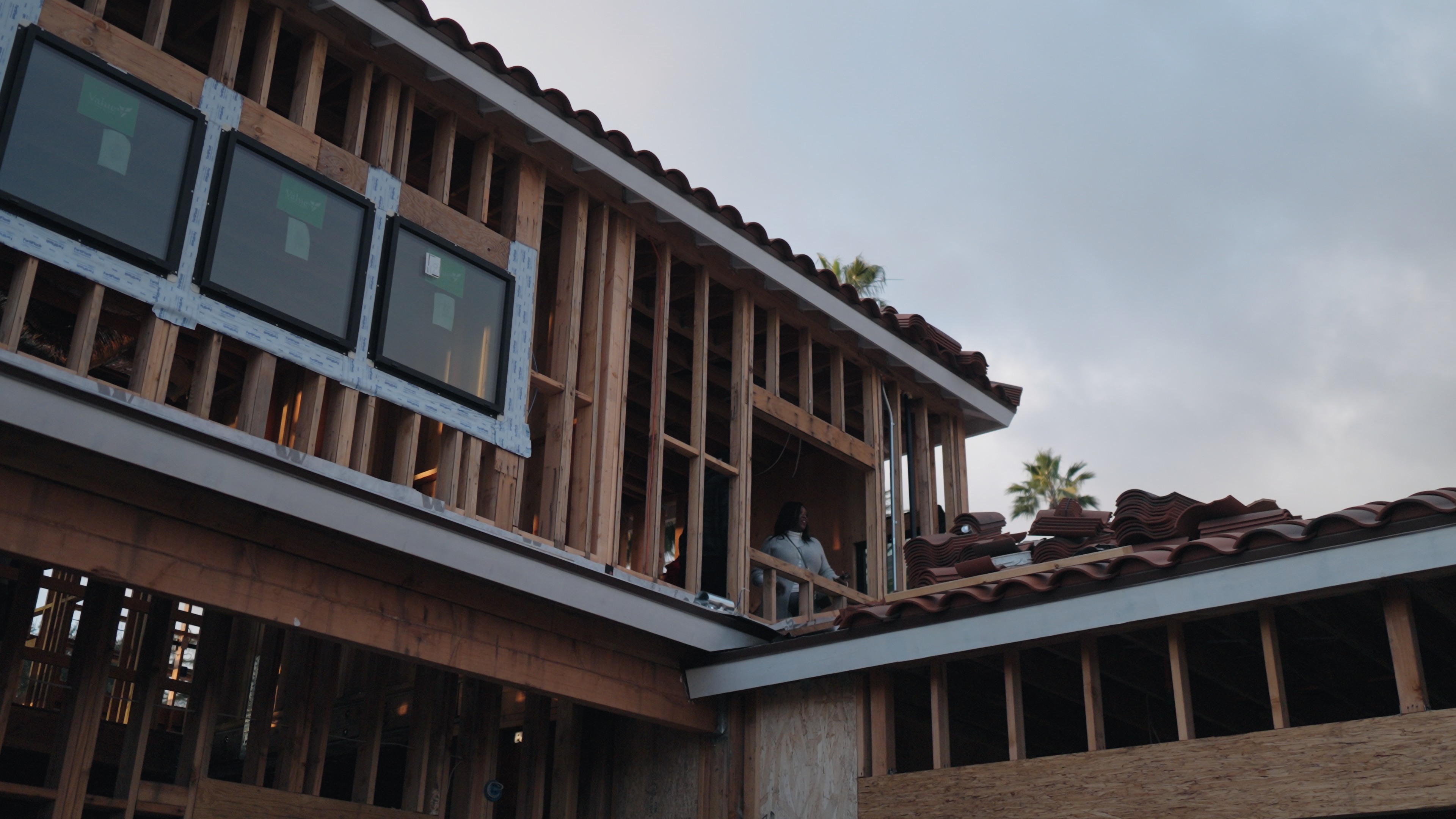
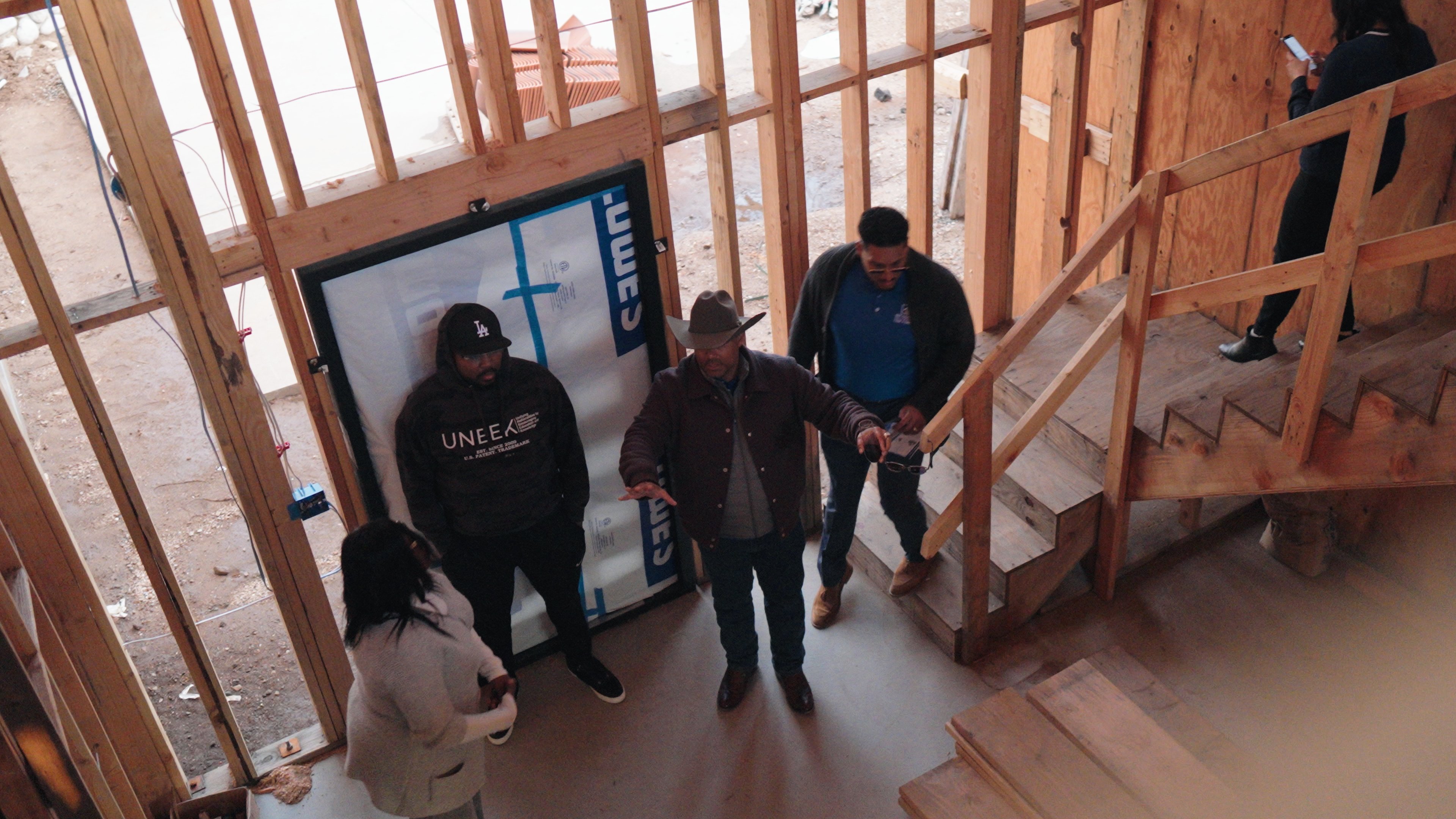
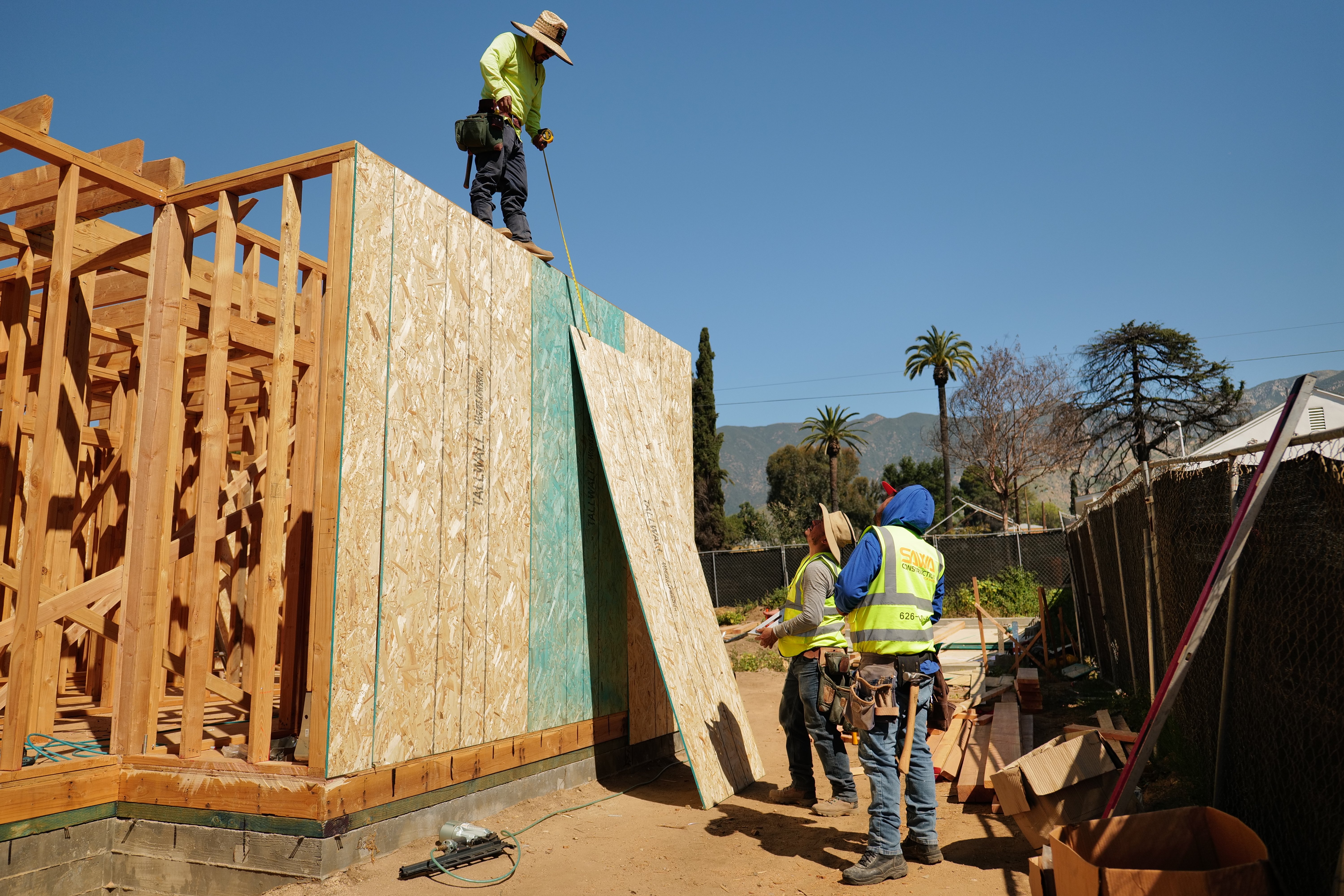
Ask for two or three references in or near Altadena, ideally fire rebuilds in progress, and follow up with at least one of them in person. Visit a job site. Look at how the crew is operating, whether the work matches the plans, whether the site is clean and organized, and how the homeowner describes the experience of working with the contractor. Out-of-area operators frequently cannot produce local references at all, or offer references that, on a phone call, do not sound like real homeowners.
How to Vet a Contractor Properly
Run the CSLB license check yourself rather than relying on a screenshot. Confirm classification, status, bond, and workers' comp. Call past clients and ask hard questions about budget changes, schedule slips, and how problems got resolved when they came up. Visit at least one active job site in the area. Get bids in a comparable format so you are looking at the same scope of work, not three different versions of the project. Have your contract reviewed by a construction attorney before signing, especially if the rebuild involves insurance proceeds. And do not let urgency override due diligence. The contractors worth hiring will respect that process and walk you through it.
If you suspect you are being approached by an unlicensed or fraudulent contractor in the Eaton Fire area, you can report it directly to the CSLB at 1-800-321-CSLB or through the Disaster Help Center at cslb.ca.gov/disaster. The more these get reported, the harder it becomes for bad actors to keep operating in the recovery zone.
.jpeg)



.jpeg)