Solar on Your Altadena Rebuild: The Panels Are Optional, Solar-Ready Is Not
After the state suspended the solar mandate for Eaton Fire rebuilds in 2025, a lot of Altadena homeowners heard that solar was off the table and stopped thinking about it. The exemption is real, but it is narrower than it sounds. You are not required to install panels, but your rebuild still has to be built solar-ready.
June 5, 2026
4 minute read

Solar comes up early in most Altadena rebuild conversations, usually as a question about whether it is still required and what it adds to a budget that is already stretched. The honest answer has two parts, and homeowners tend to hear only the first one. Installing a system is no longer mandatory for fire rebuilds. Building the house so a system can go in later still is.
That distinction is easy to gloss over and expensive to get wrong. The installation requirement is suspended, which saves real money on day one. The solar-ready requirement is not, which protects a future option that becomes costly to add back if it was skipped. Both halves matter, and plan check treats them differently.
What the state actually suspended
In July 2025, the Governor signed an executive order aimed at lowering the upfront cost of rebuilding after the January 2025 fires. Los Angeles County implements it as Executive Order N-29-25, which suspends the rooftop solar and battery storage installation requirements, along with the newest 2025 California Building Standards Code, for structures lost in the Eaton and Palisades fires. In plain terms, you do not have to buy and mount a photovoltaic system to get your rebuild through plan check.
That is a meaningful savings on day one. A solar array and battery are a real line item, and for a household trying to close the gap between an insurance payout and a current construction estimate, deferring that cost can be the difference between rebuilding now and waiting. The exemption exists precisely to take that pressure off.
What solar-ready still means
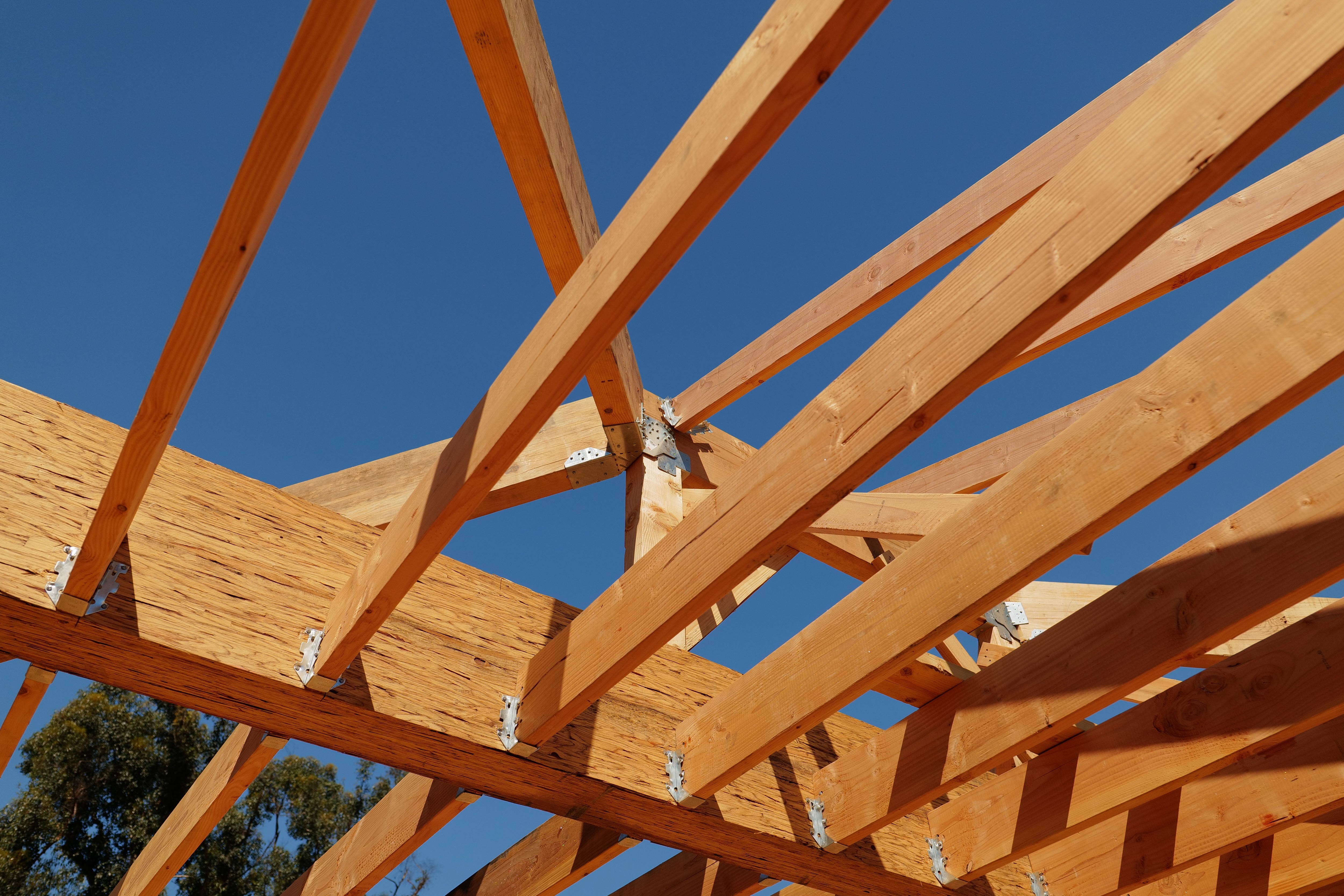
Here is the part that surprises people. The same order that suspended the installation requirement kept the solar-ready requirement in place. The state was explicit that rebuilt homes still have to be able to support a future solar system without major rework. In practice, building solar-ready means reserving unshaded roof area for a future array, running the conduit and wiring pathways from the roof down to the electrical panel, and leaving room in the panel for the circuits a future system would need.
None of that is expensive while the house is open. Conduit and blocking go in for very little when the framing is exposed and the electrician is already on site. The cost shows up later, if it was skipped. Retrofitting a system into a finished house can mean opening walls, fishing wire through insulation and drywall, and sometimes upsizing a panel that was sized only for the loads in front of it. Solar-ready is cheap as a rough-in and expensive as a remodel, which is the whole reason the requirement survived the exemption.
Why some homeowners still install now
Skipping the panels is not automatically the right call. In November 2025, the state issued a further order making rooftop solar and battery storage an eligible cost for insurance purposes for homeowners who have available proceeds and choose to install. If your policy has room for it, that can change the math on doing the work now rather than later.
There is also a plain construction logic to it. Installing while crews, scaffolding, and an open roof are already on the job avoids a second mobilization and the rework of cutting back into a completed assembly. For homeowners who always intended to have solar, the rebuild is usually the cheapest time to put it in. For those who cannot stretch to it right now, solar-ready keeps the door open at a defined future cost. Both are legitimate, and the exemption is what gives you the choice.
No solar mandate does not mean no energy code
It is worth being clear about what the suspension does not touch. Dropping the solar requirement does not turn off the rest of the code. Chapter 7A fire-hardening still applies to rebuilds in the burn area, and the California Energy Code still governs how efficient the house has to be. For rebuilding purposes, the Altadena zip codes 91001 and 91003 are designated Climate Zone 9, which drives decisions about insulation, windows, and heating and cooling equipment.
So the picture is not fewer rules across the board. It is a specific, targeted pause on one expensive mandate, with the efficiency and fire-safety requirements still fully in force. Treating the solar exemption as a general loosening of the code is how homeowners get surprised at plan check.
How to lock this down on your project
The practical step is small and worth doing early. Ask your designer and contractor to confirm that your plan set shows the solar-ready provisions even if you are not installing a system: the reserved roof area, the conduit pathway, and the panel capacity. Get it on the drawings rather than as a verbal promise, because anything not drawn tends to be the first thing value-engineered out when the budget tightens.
Then make the install-now-or-later decision deliberately, with your insurance position in front of you. If you have proceeds and you know you want solar, pricing it into the rebuild is usually cheaper than a retrofit. If you do not, solar-ready is the requirement you have to meet anyway, and it preserves your future options. Either way, the choice should be made on paper, not discovered during construction.
For Eaton Fire homeowners weighing whether to install now or simply build solar-ready, the team at 1st Choice Design and Development is glad to walk through your roof, your panel, and your insurance position on your specific Altadena lot. It tends to be a short conversation that saves a much longer one later.

.jpeg)




.jpeg)