Additional Living Expenses Running Out: How to Extend Your Temporary Housing Coverage in Altadena
Many Altadena homeowners are reaching the point where the insurance money paying for their rental or hotel is close to running out, while their Eaton Fire rebuild is still months from finished. That coverage, called additional living expenses, is not open-ended, but it also does not simply stop on a fixed date. Knowing how the extensions work, and where a second source of housing money sits, buys time.
July 8, 2026
The additional living expenses portion of your homeowner's policy, often shortened to ALE and sometimes labeled loss of use, is what has been covering the gap between your normal housing costs and what you are paying to live somewhere else. For most Altadena households displaced by the Eaton Fire, it is the single line item keeping the rebuild financially possible. It is also the one that tends to expire while the house is still under construction.
The useful thing to know is that the coverage has more give in it than the first letter from your insurer suggests. California law sets a floor on how long it lasts after a declared disaster, it requires extensions when your rebuild is delayed for reasons outside your control, and a separate program funded by Southern California Edison can cover temporary housing on top of your insurance. The point is to understand all three before the money stops, not after.
What additional living expenses actually covers
ALE reimburses the reasonable increase in your living costs while your home is uninhabitable. In practice that means rent or a hotel, but it can also include the difference in your utility bills, storage for whatever furniture survived, extra commuting mileage, and the cost of boarding a pet you cannot keep in a temporary unit. It is meant to cover the amount above what you were already spending to live in your own home, not the entire new bill in every case.
Two details matter for planning. The coverage runs only while the home is genuinely uninhabitable, which for a scraped Altadena lot is the full length of the rebuild. And it is paid as reimbursement, so keeping clean records of what you spend is not optional if you want the full benefit.
The two limits on your coverage: time and dollars
Most policies cap ALE two different ways at once, and you stop collecting when you reach whichever one comes first. The first cap is time. For a loss tied to a state of emergency declared by the Governor, California Insurance Code section 2051.5 requires that ALE coverage last at least 24 months from the date of loss. Because the Eaton Fire started in January 2025, that standard window runs toward roughly January 2027 for a great many households.
The second cap is a dollar figure, usually written as a percentage of your dwelling coverage. A homeowner with a modest ALE limit and an expensive rental can run through the money well before the 24 months are up, which is what happened to some Altadena families during the first year. Check your declarations page for both numbers so you know which limit is the one actually bearing down on you.
How to extend the 24-month clock
The 24-month figure is a floor, not a ceiling. The same state law requires insurers to grant an extension of up to 12 additional months, for a total of 36, when reconstruction is delayed by circumstances beyond your control. In Altadena that description fits a great many rebuilds: permitting backlogs, the pace of utility restoration, and shortages of available crews and materials are all delays no homeowner controls. Further extensions in six-month increments are available for good cause.
Extensions are rarely automatic. Ask for one in writing before your current period ends, and document the specific reasons your timeline slipped, ideally with dates: when plans went into plan check, when a utility will-serve letter was still pending, when a permit was finally issued. The California Department of Insurance has publicly pressed carriers to keep paying ALE while fire-damaged homes remain uninhabitable, so a well-documented request stands on firm ground.
A second source of housing money: the Edison program
Insurance is not the only place temporary housing money can come from. Southern California Edison runs a Wildfire Recovery Compensation Program for people affected by the Eaton Fire, and as of 2026 it includes roughly three and a half years of temporary housing for single-family homeowners whose residence was destroyed. It is separate from your insurance claim, and taking part in it does not cancel out your ALE.
The program also has a deadline that is easy to miss: as reported by LAist, it is accepting applications through November 30, 2026. Its terms have already changed once since it launched, so confirm the current details directly with the program before you rely on any single figure. For a household staring at an ALE cutoff, a second track of housing funding with years of runway is worth understanding early rather than discovering late.
How your rebuild timeline changes the math
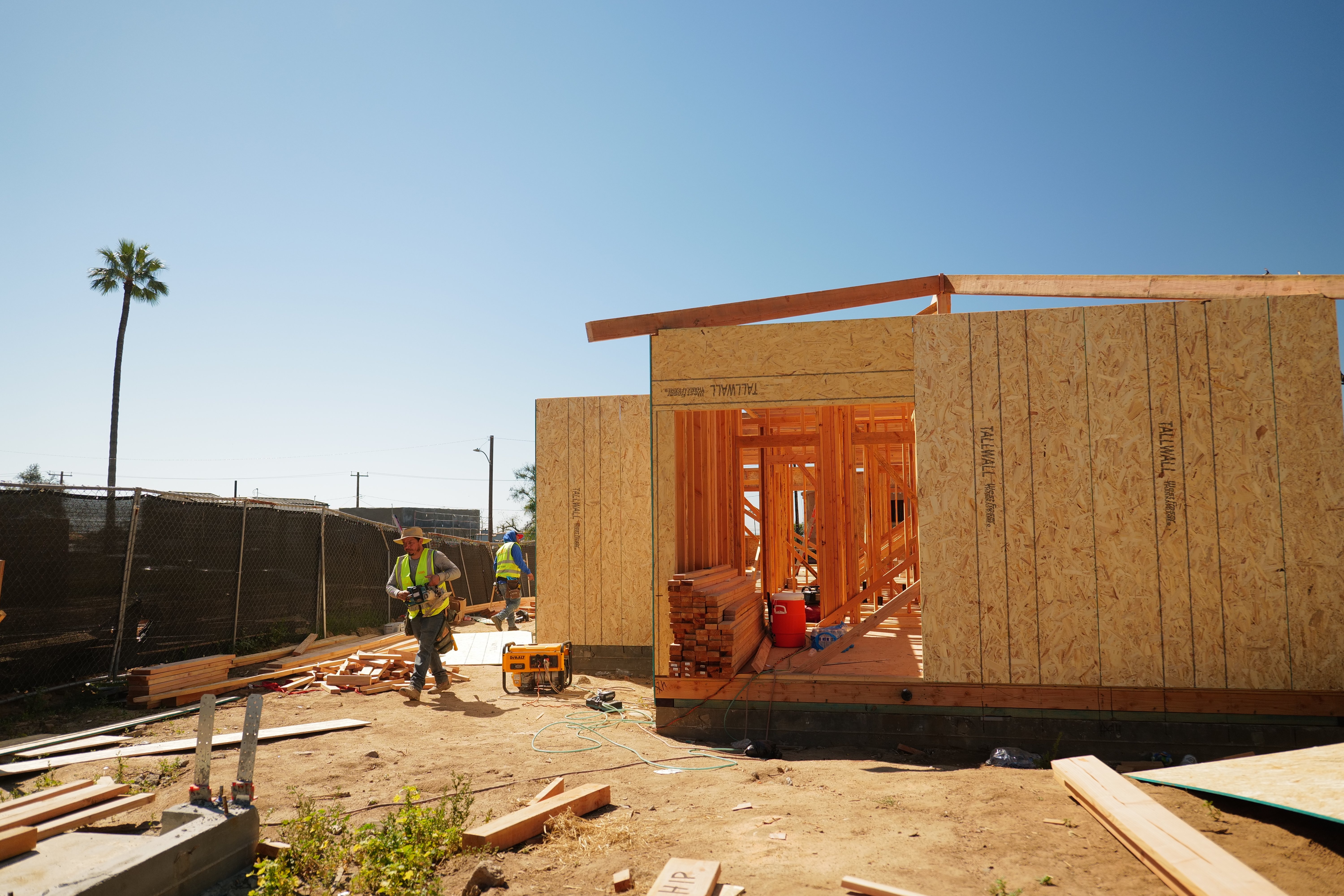
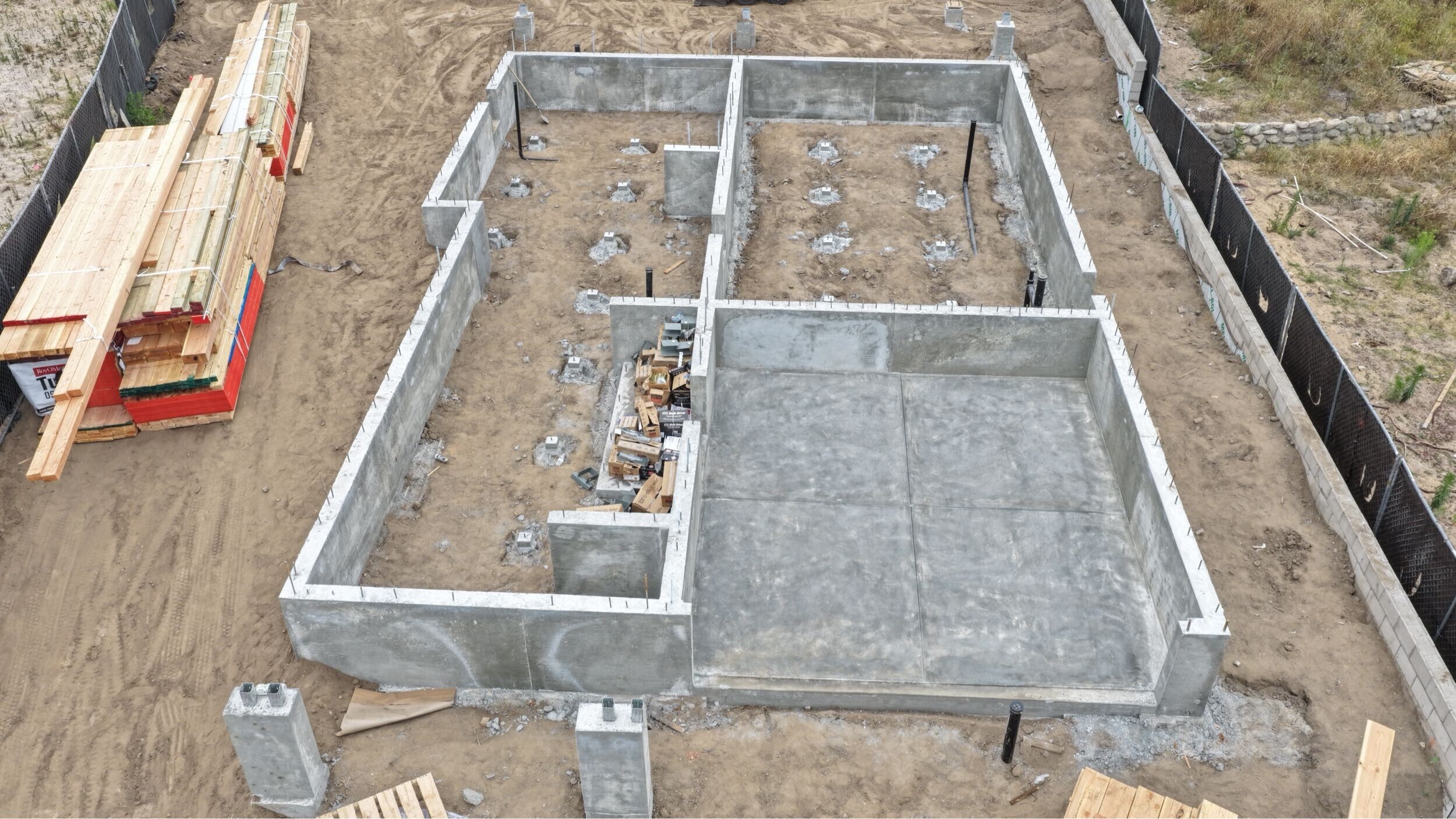
Everything above is a way of buying time, but the surest way to protect your housing coverage is to shrink the gap it has to span. A rebuild that moves at a predictable pace spends less of your ALE, and a schedule you can actually document is also what turns an extension request from a plea into a straightforward claim. This is where your builder and your coverage intersect more than most homeowners expect.
There are also ways to stop paying rent sooner. A 2025 state law lets displaced residents live in a temporary home on their own property while the permanent house goes up, and building a standalone ADU first is another route back onto your lot. Both can take pressure off the housing clock, though each depends on your specific lot and budget.
What to do now
Start by pulling your declarations page and writing down two numbers: your ALE dollar limit and the date your time limit runs out. If either is close, send your insurer a written extension request now and attach the timeline for your rebuild. Check whether you qualify for the Edison program and note the November 2026 application deadline. Then make sure your construction schedule is realistic and documented, because it is doing double duty as both your plan and your evidence.
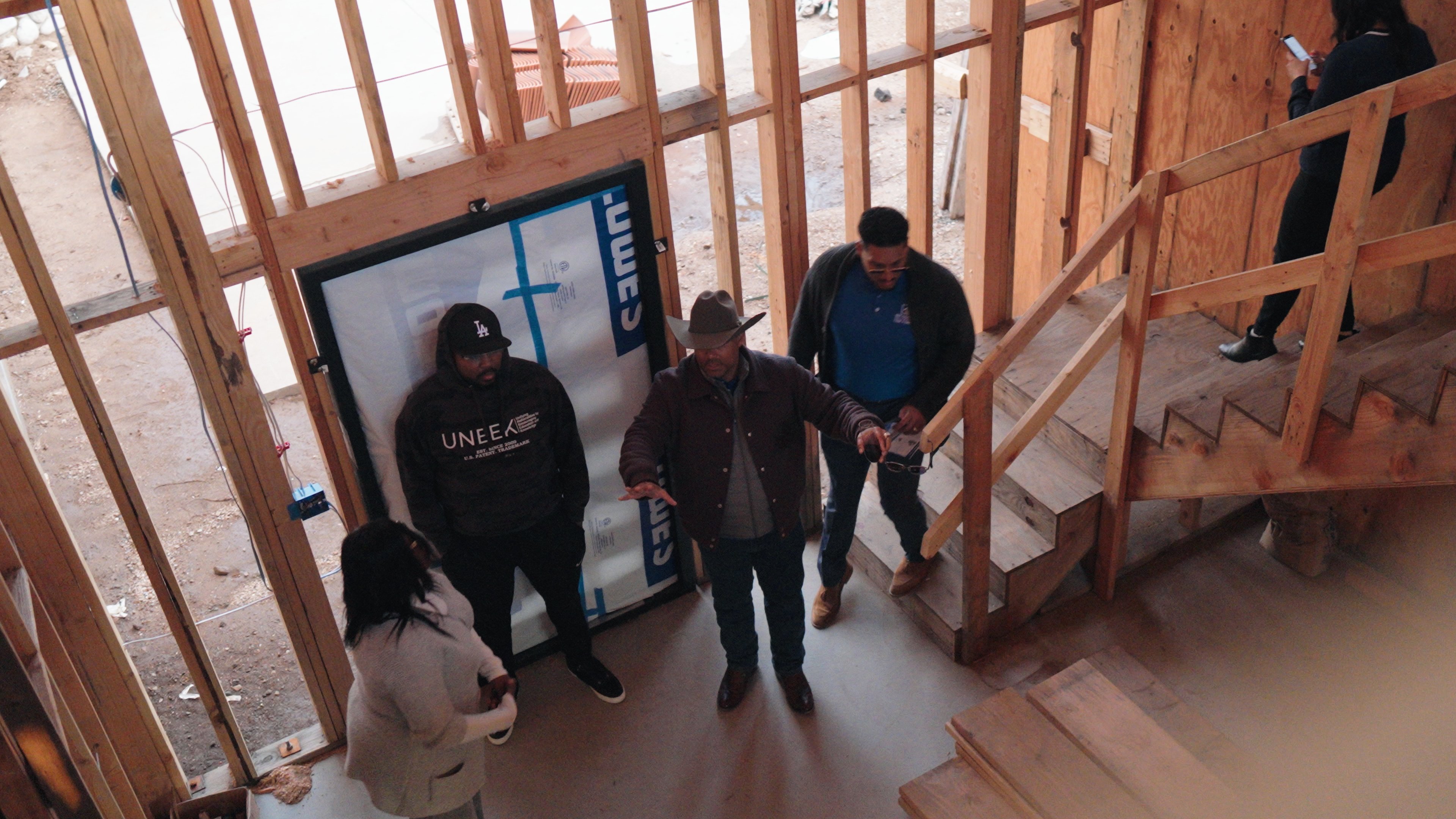
For Eaton Fire homeowners in Altadena weighing how fast to build against how much housing coverage is left, the team at 1st Choice Design and Development is glad to walk through a realistic schedule and where the likely delays on your lot will come from. A timeline you can put on paper is often what keeps a coverage extension on solid footing.

.jpeg)




.jpeg)