Protected Oak Trees on Your Altadena Rebuild: What Needs a County Permit Before You Build
Altadena's oaks are one of the reasons people love the neighborhood, and many of them came through the Eaton Fire alive even where the house did not. What a lot of homeowners do not realize is that Los Angeles County protects those trees, and the rules reach well beyond cutting one down. Grading, trenching, and even parking equipment near a protected oak can require a County permit.
July 10, 2026

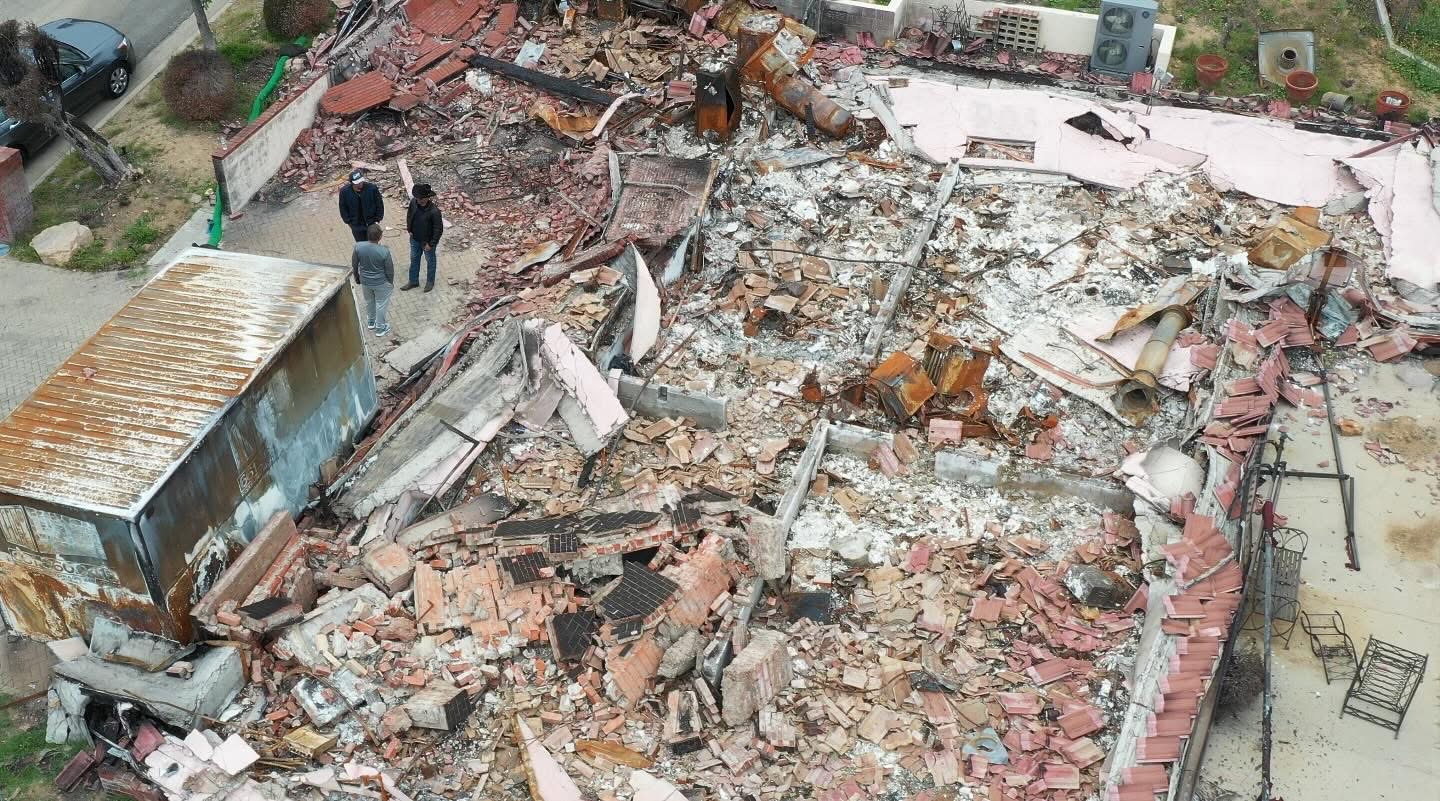
Drive through Altadena a year and a half after the Eaton Fire and you will notice something that surprises people: mature oaks still standing on lots where the house is gone. Coast live oaks are among California's more fire-resilient natives, and many of them came through alive. Homeowners often assume that a tree on their own land is theirs to keep, prune, or clear as the rebuild requires. In unincorporated Los Angeles County, that is not how oaks work.
The County protects oak trees through its oak tree ordinance, Chapter 22.174 of Title 22 of the County Code. The rules are not limited to cutting a tree down. They also govern grading, trenching, and construction activity anywhere near a protected oak, which means a tree you fully intend to keep can still shape where and how you are allowed to build. Understanding the rules before you finalize a site plan keeps a valued oak from turning into a permitting problem partway through your Altadena rebuild.
Which oaks the County actually protects
Not every tree on your lot is regulated, and not every oak is large enough to trigger the ordinance. An oak becomes protected once it reaches 25 inches in circumference, which is about 8 inches in diameter, measured four and a half feet above the ground. For an oak with more than one trunk, the threshold is any two trunks that together reach 38 inches in circumference, roughly 12 inches in diameter, at that same height. A larger specimen, 36 inches or more in diameter, is classified as a heritage oak and carries the strongest protection, as does any oak the community considers historically or culturally significant regardless of size. The ordinance applies to trees of the oak genus, but the County protects certain other native species as well, so it is worth having an arborist confirm what you have rather than assuming a tree is exempt.
The protected zone is larger than the tree
The most common misunderstanding is that the rules apply only to the trunk and branches. They do not. The ordinance protects a zone of ground around each oak, defined as the area within the dripline plus at least five feet beyond it, or fifteen feet from the trunk, whichever reaches farther. Inside that protected zone, the County treats a long list of routine construction activities as damage: changing the natural grade, trenching, excavating, paving, operating heavy equipment, and storing materials all count. In practice this means an oak near your building footprint can dictate where you run utility lines, where a grading crew can cut, and where trucks and dumpsters are allowed to sit. The tree does not have to be touched for the work around it to require a permit.
What a fire rebuild changes, and what it does not
There is a narrow allowance for disaster rebuilds, and it is worth understanding precisely. The County has said the oak tree permit exception applies only where a legally established structure already stood within the protected zone of a protected tree on the day the fire damaged or destroyed it. If your old house sat partly inside an oak's protected zone, rebuilding in that same footprint is not treated as new encroachment. Push beyond the old footprint, add a larger structure, or do work elsewhere in the zone, and you are back under the normal permit requirement. The fire does not hand you a clean slate around the tree: it protects only the ground your home already occupied.
Dead or clearly hazardous oaks are handled separately. The ordinance allows removal of a tree that fire, wind, or disease has made dangerous, but only after a licensed County forester inspects it and makes that determination. It is not a call a homeowner or a grading contractor gets to make alone, and clearing a borderline tree without that sign-off is exactly the kind of shortcut that creates a violation.
What an oak tree permit involves
An oak tree permit is issued by the Los Angeles County Department of Regional Planning, and for a rebuild it is usually handled alongside your building application rather than as a separate ordeal. The application includes a site plan showing every protected oak within 200 feet of the proposed work, plus an oak tree report prepared by a qualified arborist. For a single tree removed in connection with a single-family home, the County can waive both the report and the public hearing, which keeps straightforward cases moving. If removal is approved, expect a replacement condition: indigenous oaks planted at a ratio of at least two to one, each at least a 15-gallon specimen, and kept alive for two years. If the plan is to protect a tree rather than remove it, the permit typically requires four-foot chain-link fencing around the protected zone, inspected before any work starts, with hand tools only inside the zone and utility trenches routed around it.
How to keep an oak from stalling your rebuild
The homeowners who have the least trouble with this are the ones who locate their protected trees first. Before the site plan is final, have an arborist measure and map any oaks on or near the lot and mark their protected zones. Then design around them: place the footprint, the driveway, and the utility runs to stay clear of those zones wherever possible, and decide early and honestly which trees you are keeping. Build the report, the permit, and the protective fencing into your budget and schedule rather than discovering them at plan check. Above all, do not let a grading or clearing crew work near a protected oak before the fencing is up and the permit is in hand, because the ordinance counts each tree damaged in violation as a separate offense, and this is not a mistake you can undo. Staff at the County's One-Stop Permit Centers can tell you early whether your lot triggers the ordinance.
For Eaton Fire homeowners trying to keep a surviving oak while still building the house they need, the team at 1st Choice Design and Development is glad to walk your lot, flag the protected zones, and lay out the options before anything is graded. It is a far easier conversation to have with the tree still standing.

.jpeg)


.jpeg)