Taxes on Your Eaton Fire Insurance Payout: How Rebuilding Defers the Gain
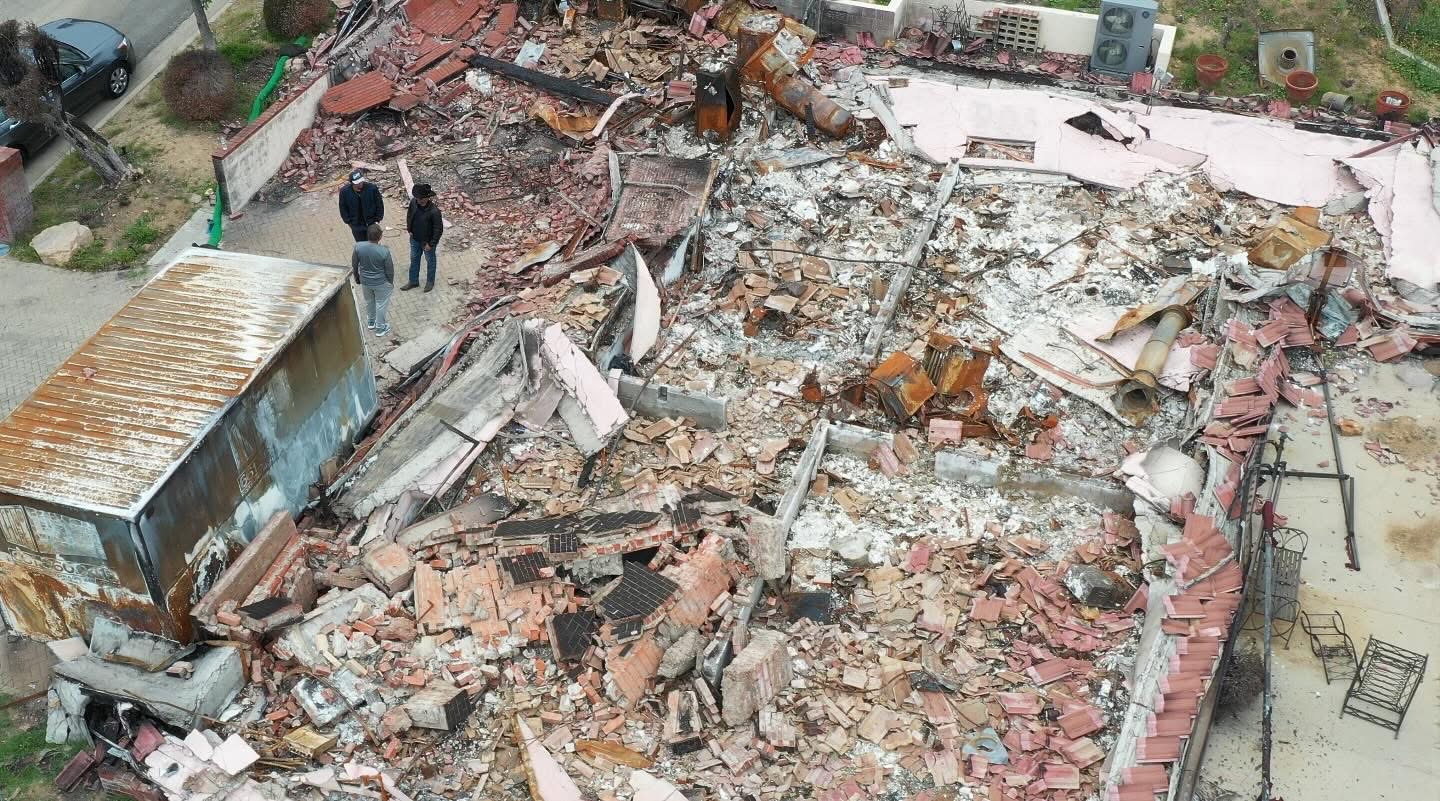
Most Altadena homeowners think of their Eaton Fire insurance payout as money they already own, free and clear. The IRS can see part of it differently. If your settlement comes in above what you originally paid for the house, that difference is a taxable gain on paper, and how you handle the rebuild decides whether you ever actually pay tax on it.
July 20, 2026

When a home is destroyed and insurance pays out, federal tax law treats the money much like the proceeds of a sale. It compares what you receive to your basis in the property, and if the payout is larger, the difference is a gain the IRS can tax. That surprises people, because no one chose to sell and the loss was involuntary, but the rule is the same whether a house is sold or burned down.
The reassuring part is that two provisions written for exactly this situation mean most Altadena homeowners who rebuild will not pay current tax on that gain. Knowing how they work before you spend down the payout is what keeps a gain on paper from becoming a real tax bill.
How an Insurance Payout Becomes a Taxable Gain
Your basis in a home is generally what you paid for it plus the cost of improvements made over the years, with a few adjustments. When insurance pays out on a total loss, tax law calls it an involuntary conversion: your house was converted into cash. If that cash exceeds your basis, you have a realized gain, the same as if you had sold the property for more than you paid.
This lands hardest on longtime Altadena owners, which feels backward. Someone who bought decades ago for a fraction of today's values may have a basis far below the settlement, so a large share of the payout looks like gain on paper. A recent buyer whose basis is close to current value may have little or no gain at all. The size of the potential gain has nothing to do with whether you were well insured. It is purely the gap between your old basis and the money coming in.
The Home-Sale Exclusion Comes First
Before any of this becomes a real problem, the same exclusion that protects home sellers applies here. Under Section 121 of the tax code, a married couple filing jointly can exclude up to $500,000 of gain on a principal residence, and a single filer up to $250,000, as long as they owned and lived in the home for at least two of the five years before the loss. That exclusion applies to a fire loss just as it does to an ordinary sale.
For many Altadena families, the exclusion alone erases the entire gain. If your payout runs a few hundred thousand dollars over your basis and you are married filing jointly, the exclusion can cover all of it, leaving nothing to tax. Only when the gain climbs past the exclusion does the next rule start to matter.
Section 1033 Defers the Rest When You Rebuild
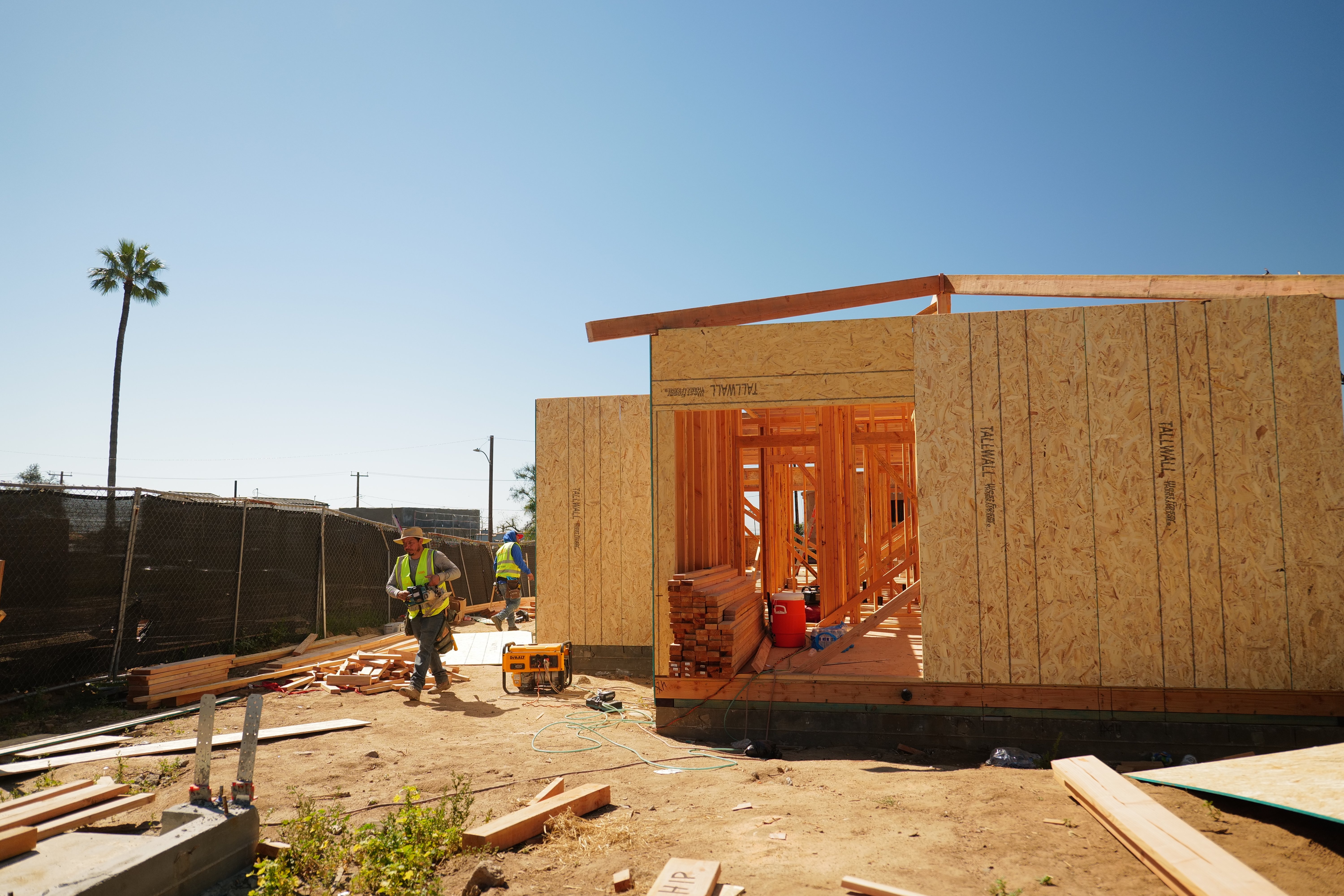
For any gain above the exclusion, Section 1033 of the tax code is the provision that carries the weight. It says that when property is involuntarily converted, you can postpone tax on the gain if you reinvest the proceeds in replacement property. For an Eaton Fire homeowner, rebuilding the house is the replacement. Put the insurance money back into the home, and the gain rides along into the new house instead of showing up on a return.
The detail worth remembering is that the deferral is only as complete as your reinvestment. To postpone the entire gain, the amount you spend on the replacement generally has to equal or exceed the proceeds you received. If you rebuild for meaningfully less than the payout and pocket the difference, that leftover can be taxed as gain. Building back at or above what insurance paid is the cleanest path to deferring all of it.
You Have Four Years, Not Two
Section 1033 normally allows two years to reinvest, but a principal residence lost in a federally declared disaster gets four. The Eaton Fire qualifies, having been declared a federal major disaster in January 2025. The replacement clock generally starts at the end of the first tax year in which you realize the gain, which for many affected homeowners means the window runs through the end of 2029.
This is where your construction timeline and your tax position quietly connect. A rebuild that takes a couple of years still lands comfortably inside the four-year window. The project to watch is the one that stalls, changes hands, or sits while insurance and permits get sorted, because letting the deadline pass without reinvesting can turn a deferred gain into a taxable one. Keeping the rebuild moving is not only about getting home sooner.
Contents and the California Side
The dwelling is not the only piece. Payments for the belongings you lost, the furniture, clothing, and everything else inside, are handled on their own track, and for personal property destroyed in a federally declared disaster area the treatment is more forgiving than most people expect. California generally follows the federal approach to both the home-sale exclusion and the Section 1033 deferral, though the state taxes any gain that does surface as ordinary income rather than at a lower capital-gains rate.
None of this replaces sitting down with a tax professional. Basis calculations, the interaction between the exclusion and the deferral, and the election to defer gain on your return are exactly the kind of details worth getting right the first time rather than fixing later.
What to Do Before You Spend the Payout
The practical order is straightforward. Find your basis, meaning your original purchase price plus documented improvements, so you know whether you even have a gain to worry about. Measure that gain against the exclusion, because many homeowners stop right here when the exclusion covers everything. If gain still remains, plan to reinvest at or above the payout by rebuilding within the four-year window, and keep every receipt that supports both your basis and your rebuild spending.
Above all, do not assume. Do not assume the whole check is tax-free, and do not assume you owe simply because the number is large. The answer turns on your specific basis, your filing status, and how much of the payout goes back into the home.
Where 1st Choice Fits
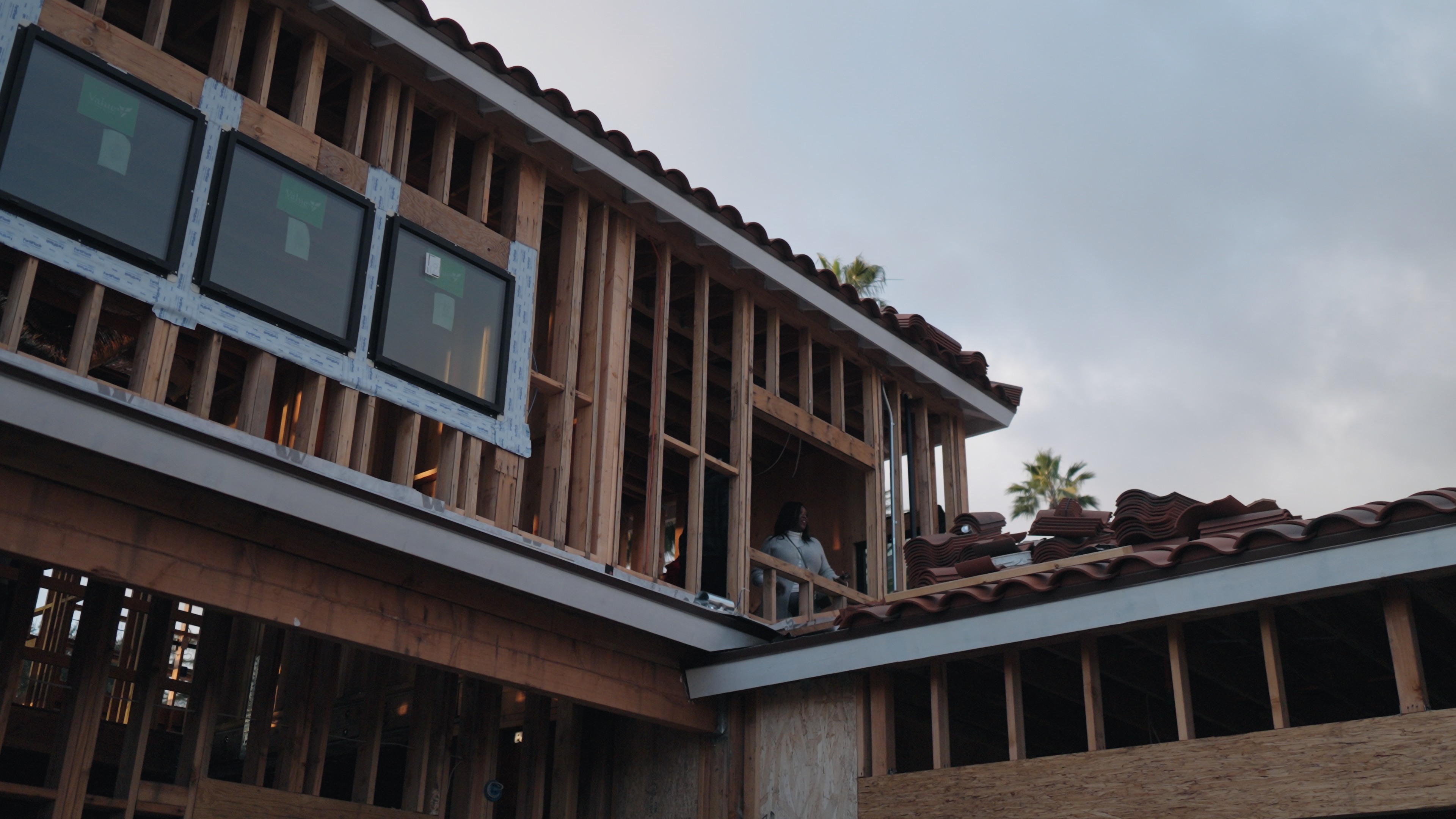
For Eaton Fire homeowners weighing how these pieces fit together, the team at 1st Choice Design and Development is glad to talk through your rebuild scope and timeline, which are the parts of this that construction actually controls. Paired with your own CPA's read on basis and deferral, that tends to make the picture clear well before anything is due.
.jpeg)




.jpeg)