Insuring Your Rebuilt Altadena Home: Easier to Cover Than the House You Lost
Somewhere between your final inspection and moving back in, your Altadena rebuild has to be insured again, and it is a different policy from the one that paid your Eaton Fire claim. The standard market has pulled back from the burn area. But a newly rebuilt, fire-hardened house is often easier to cover than the home you lost, and the hardening your rebuild includes is much of the reason.
July 17, 2026
.jpeg)
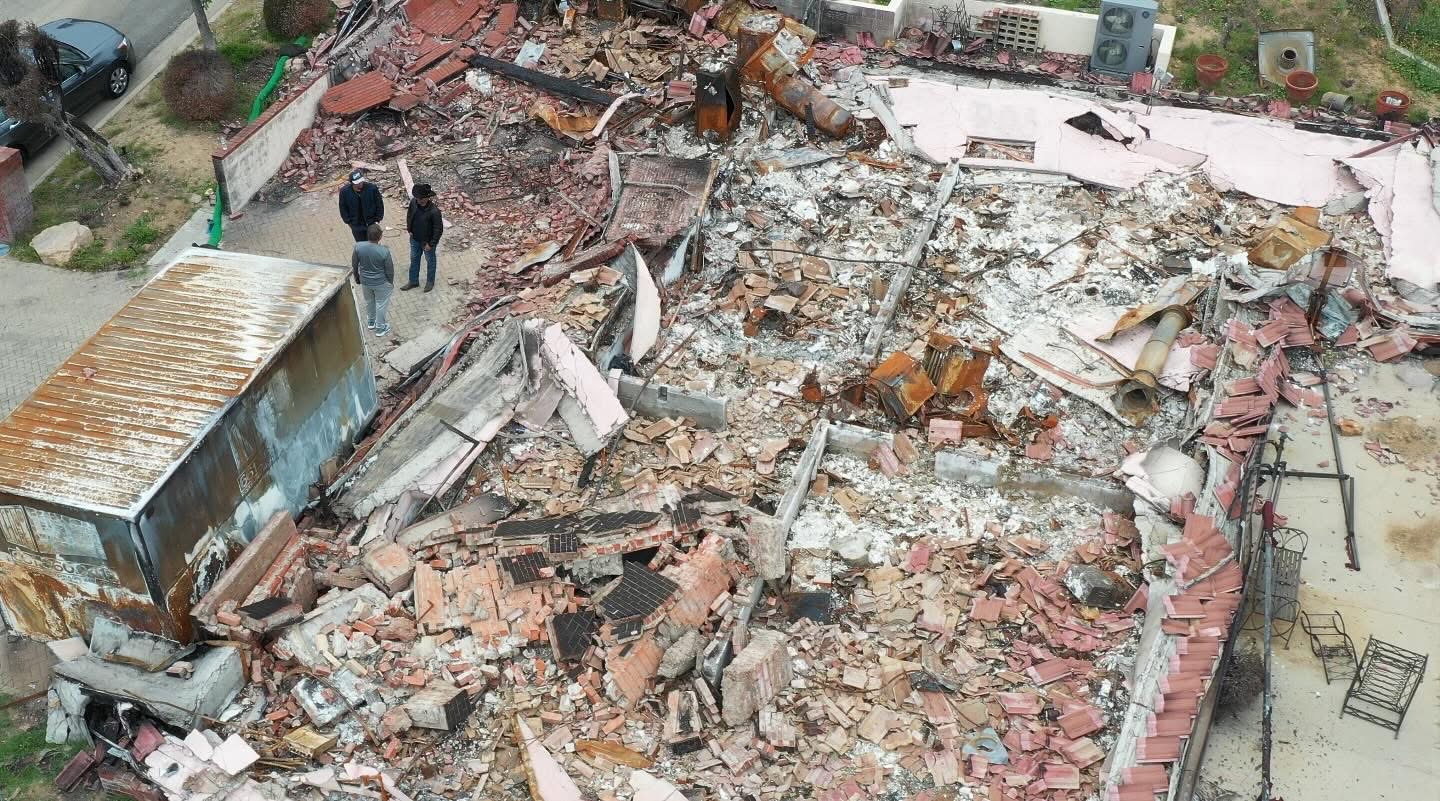
For a lot of Eaton Fire homeowners, insurance is the part of the rebuild they least want to reopen. The claim was a fight, and it is easy to assume that a house in the burn area is close to uninsurable now. So the question gets pushed to the end of the project, right when there is the least room to deal with it.
That timing is the real risk. Coverage on a rebuild is a solvable problem, but it takes longer to arrange than it used to and it follows its own sequence. What follows is how that sequence comes together, from where to start to what the FAIR Plan can and cannot do for you.
Why insuring your Altadena rebuild is a fresh question
The dwelling proceeds from your claim were tied to the old structure, and that chapter is done. Once you are rebuilding, the finished home needs its own homeowners policy, and getting one is a new underwriting decision that has nothing to do with the payout you already received. If you carry a mortgage or a construction loan, your lender will require that policy to be in force by the time the loan converts or the house is occupied, so this is not a step you can leave until after you move back in.
The practical takeaway is to start early. Begin the insurance conversation months before your projected completion date, not the week of your final inspection. Lining up coverage takes longer in a fire zone than it used to, and starting late is how homeowners end up accepting whatever they can find at the last minute.
A hardened rebuild is easier to insure than the house you lost
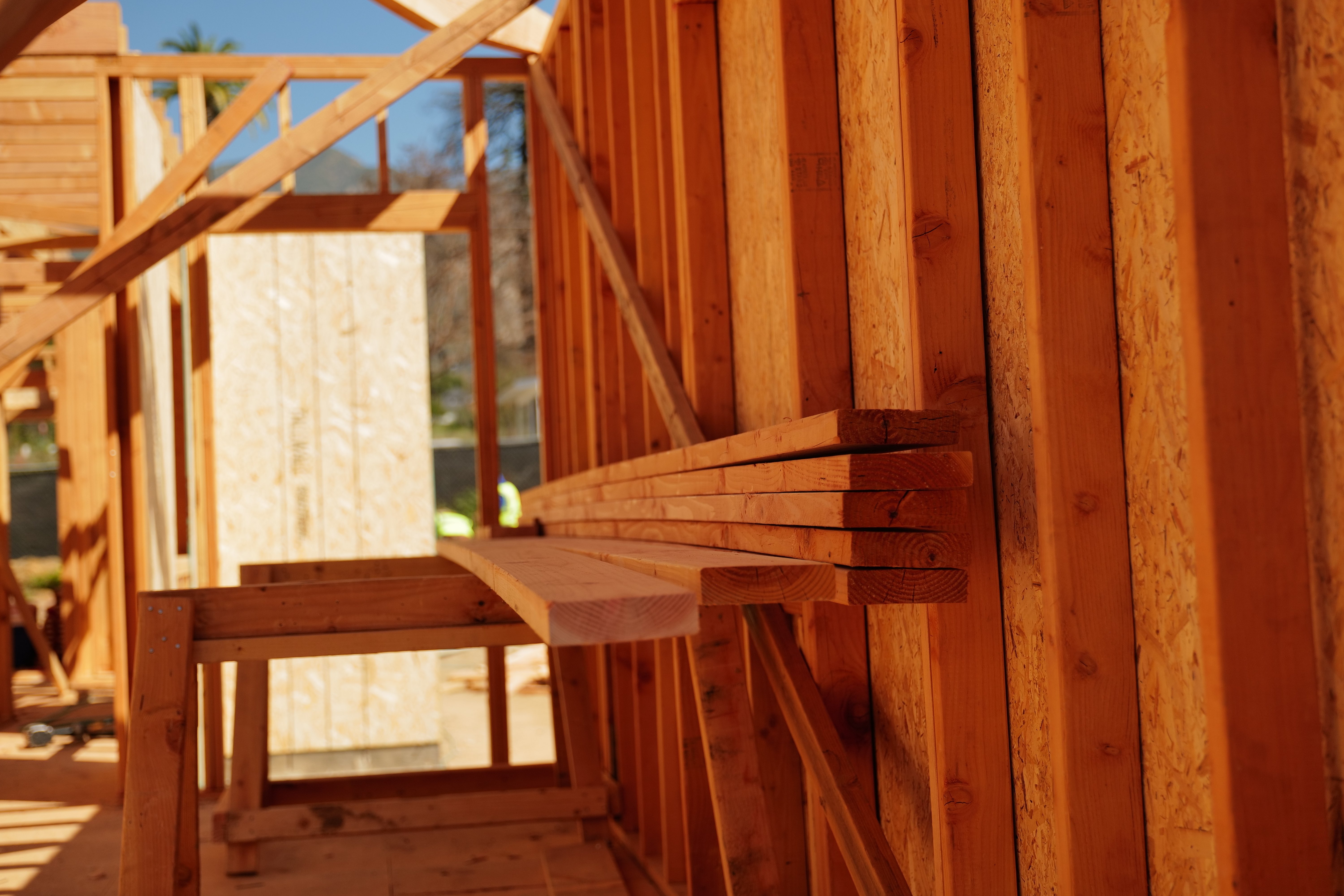
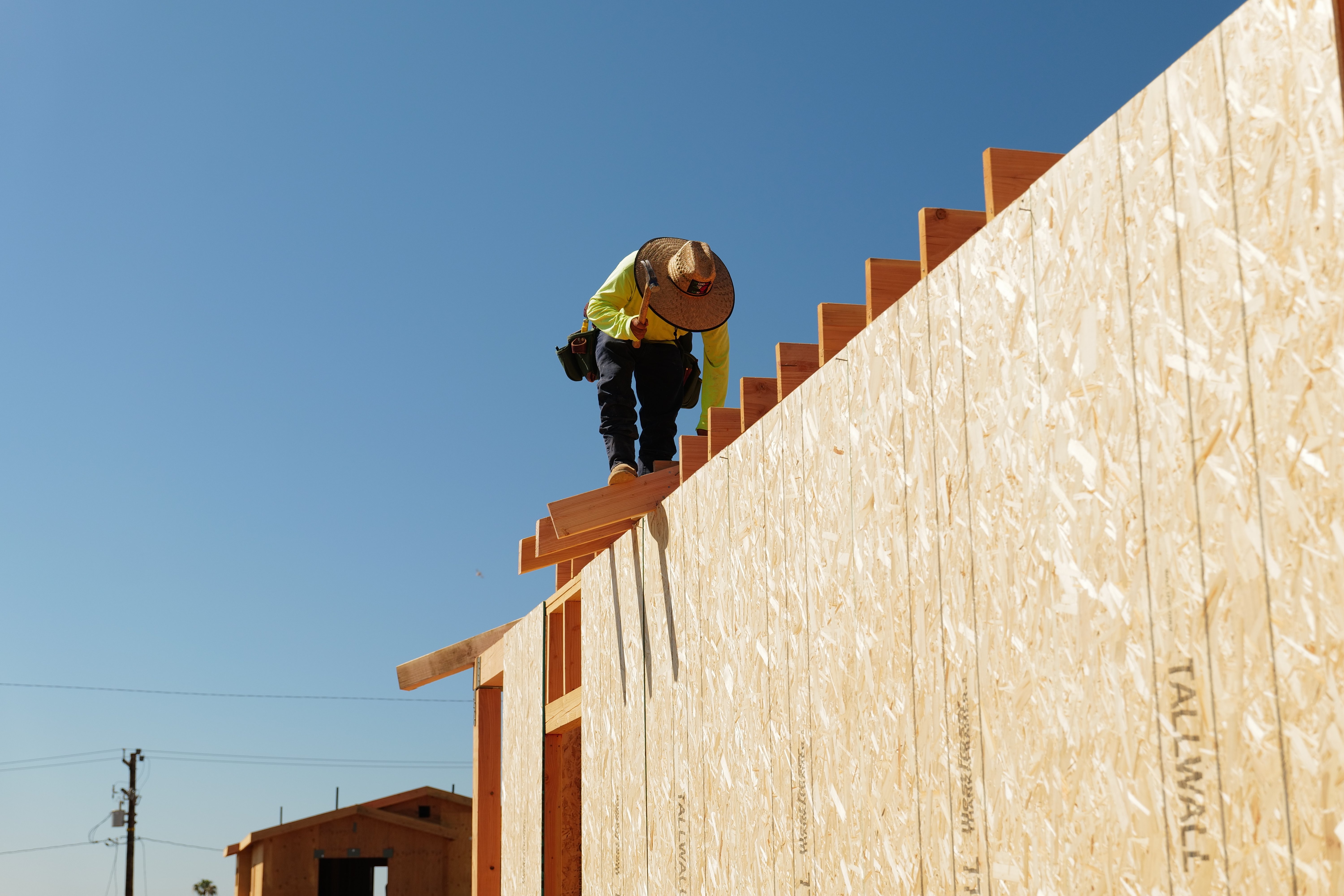
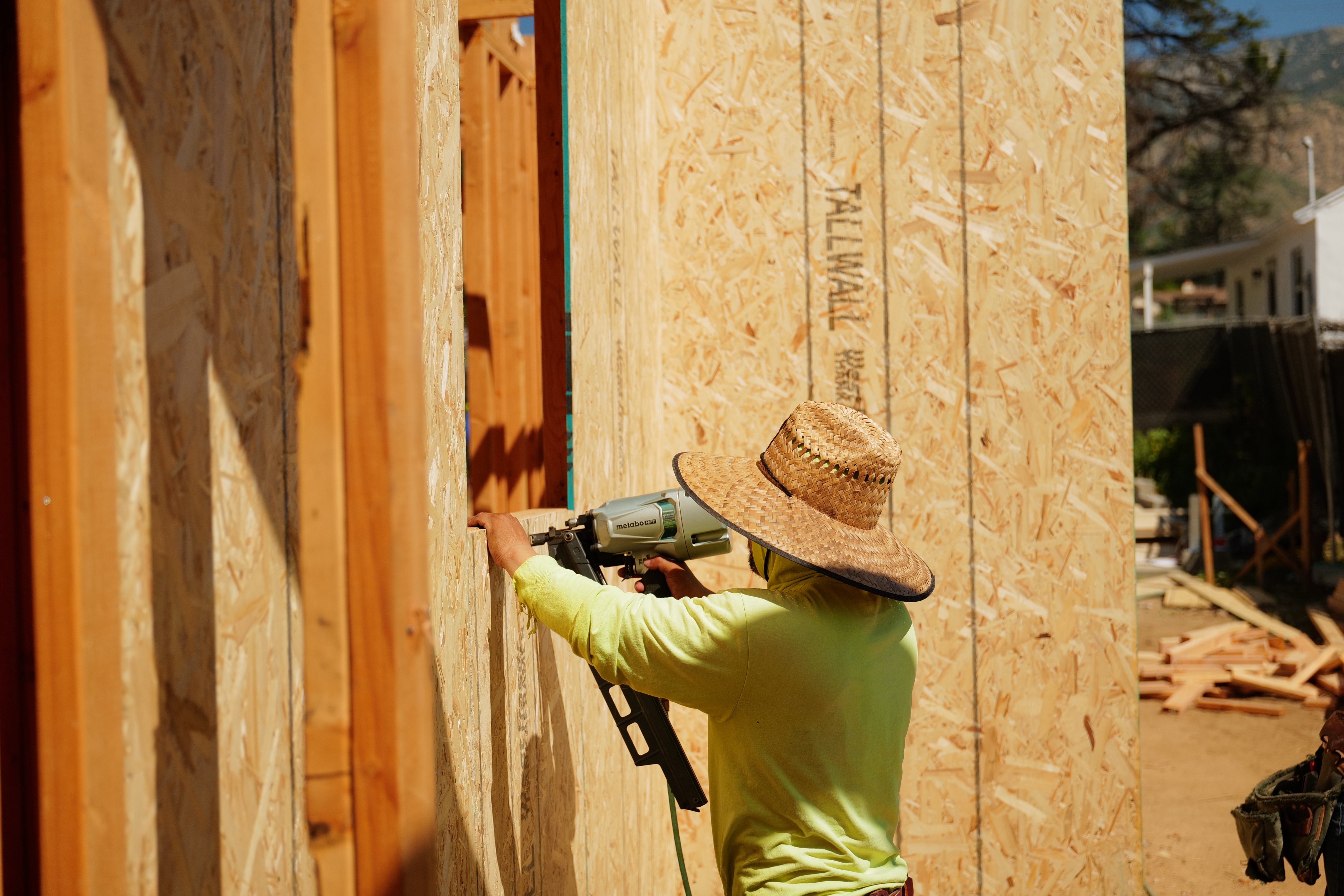
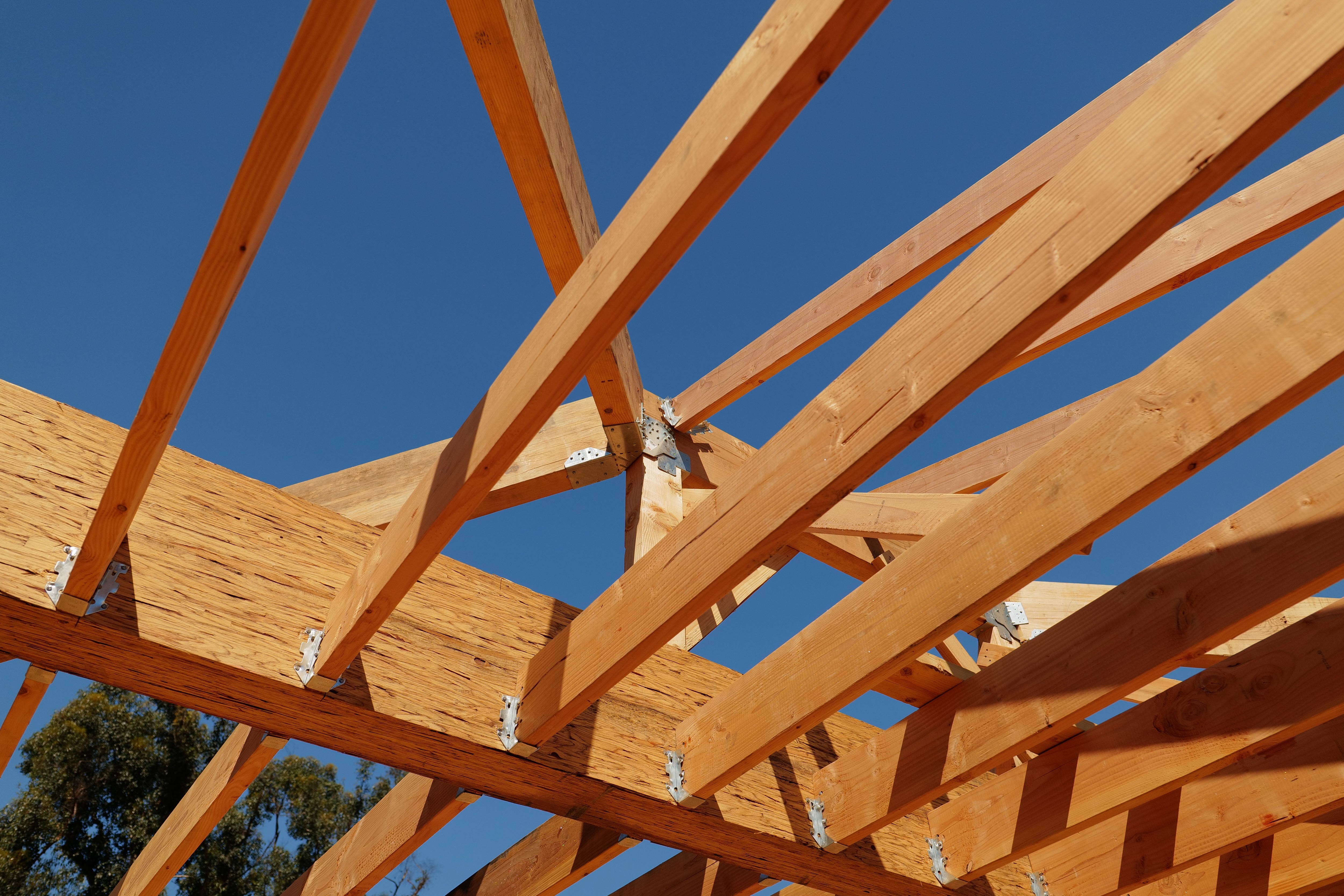
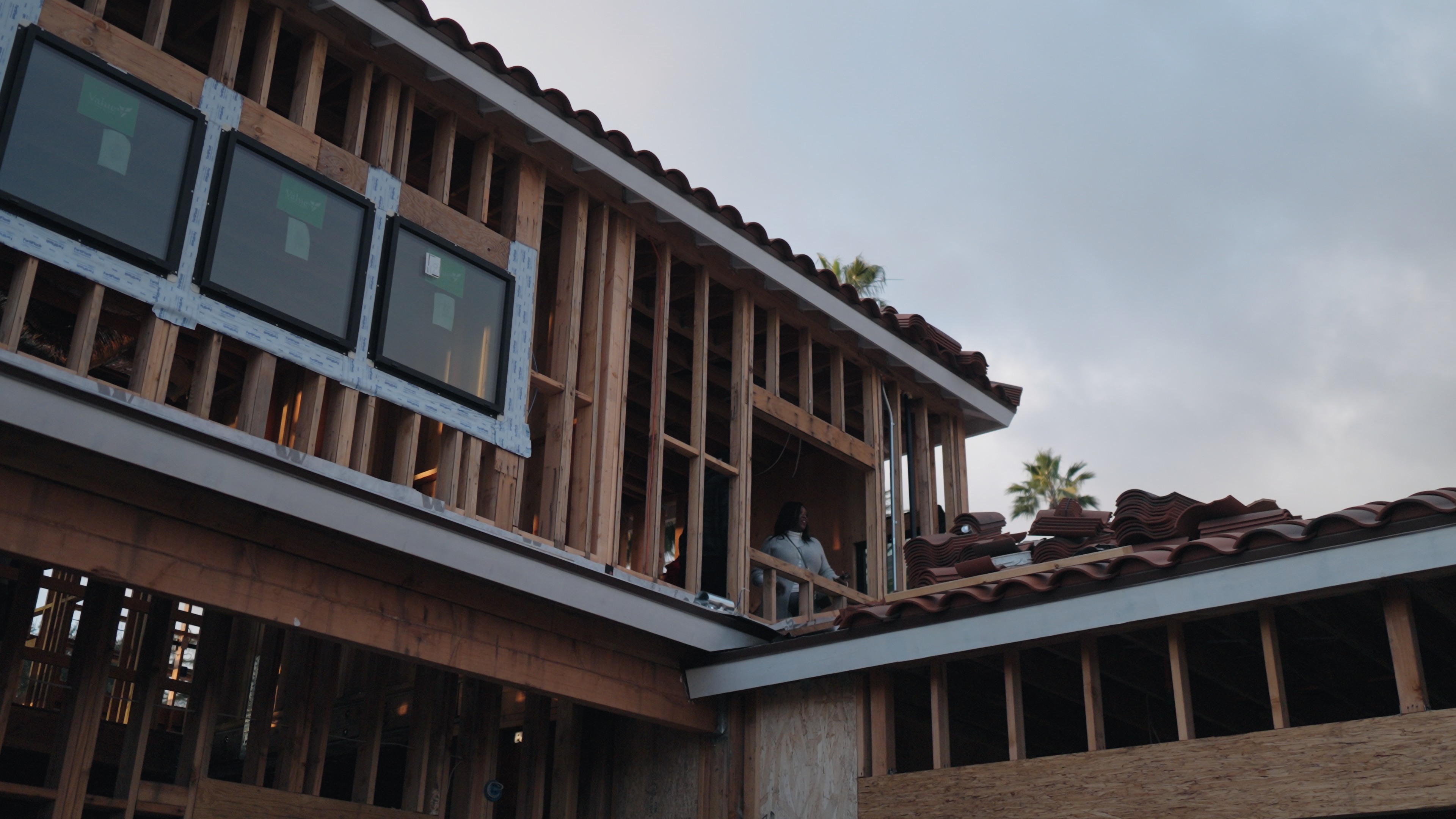
The home that burned was probably built decades before modern wildfire codes existed. Your rebuild is not. It goes up under Chapter 7A with a Class A fire-rated roof, ember-resistant vents, multi-pane or tempered windows, and the ember-resistant Zone 0 band right around the walls. Those are the exact features an insurer looks at when deciding whether to write a policy in a high-risk area, and your new house has all of them by law.
California has been moving the rules in the same direction. Under the state's Safer from Wildfires framework, insurers that price for wildfire risk have to account for mitigation, and the state has been pushing to require carriers to write and renew policies for homes that meet its hardening and defensible-space standards. A small number of admitted carriers now write specifically for hardened homes, sometimes after their own inspection. The rebuild can quietly reopen doors that were closed to the house you lost.
The FAIR Plan, and why it only gets you part of the way
If the admitted carriers still decline, the California FAIR Plan is the fallback. It is the state's insurer of last resort, and as of January 1, 2026, its maximum residential dwelling coverage rose to $3 million per structure, which finally lines up with what a full Altadena rebuild can cost. For years that limit sat far below rebuild prices, so the increase matters for anyone putting up a larger or higher-end home.
The catch is that the FAIR Plan covers fire and very little else. It does not include liability, water damage, theft, or loss of use, and a fire-only policy will not satisfy a mortgage lender on its own. To fill the gap, homeowners pair the FAIR Plan with a separate difference-in-conditions policy, often called a wrap, from a surplus-lines carrier. The two policies together approximate a standard homeowners policy. It is two premiums instead of one, and the combined cost tends to run well above what you paid before the fire, so build that into your budget.
Document the hardening while it is being built
The discounts and the carrier access both depend on proof. Safer from Wildfires discounts apply to the wildfire portion of the premium, but only when you can document the qualifying work: the roof rating, the vent specifications, the window ratings, and the defensible space. The cheapest time to gather all of that is during construction, while the roof is going on and the vents are going in, not two years later when you are trying to reconstruct what was installed.
Ask your contractor to keep the records as the work happens: dated photos, product cut sheets, and the inspection sign-offs. It is also worth looking into the IBHS Wildfire Prepared Home designation, which some carriers reward directly. A tidy folder of hardening documentation is one of the most useful things you can hand an underwriter, and it is far easier to assemble now than to recreate later.
Lining up coverage before you move in
Put the pieces in order. Start months before completion. Work with an independent broker who can write the FAIR Plan and difference-in-conditions stack and also shop the handful of admitted carriers that take hardened homes, so you see your real options rather than defaulting to the first one offered. Hand that broker your hardening documentation up front, because it is what earns the discounts and, in some cases, the admitted-carrier quote.
Expect to pay more than you did before the fire, and treat the FAIR Plan as a starting point rather than a permanent home. As the market slowly reopens under the state's insurance reforms, many homeowners aim to move back to a standard carrier over time. Getting covered by move-in is the priority. Improving the policy can come later.
The features that make an Altadena rebuild insurable are decisions made during construction, and the paperwork that proves them is easiest to assemble while the work is underway. 1st Choice Design and Development builds to these standards and can hand you the documentation your insurer will ask for. If you want to talk through where your rebuild stands and what an underwriter will look for, we are glad to walk through it.



.jpeg)